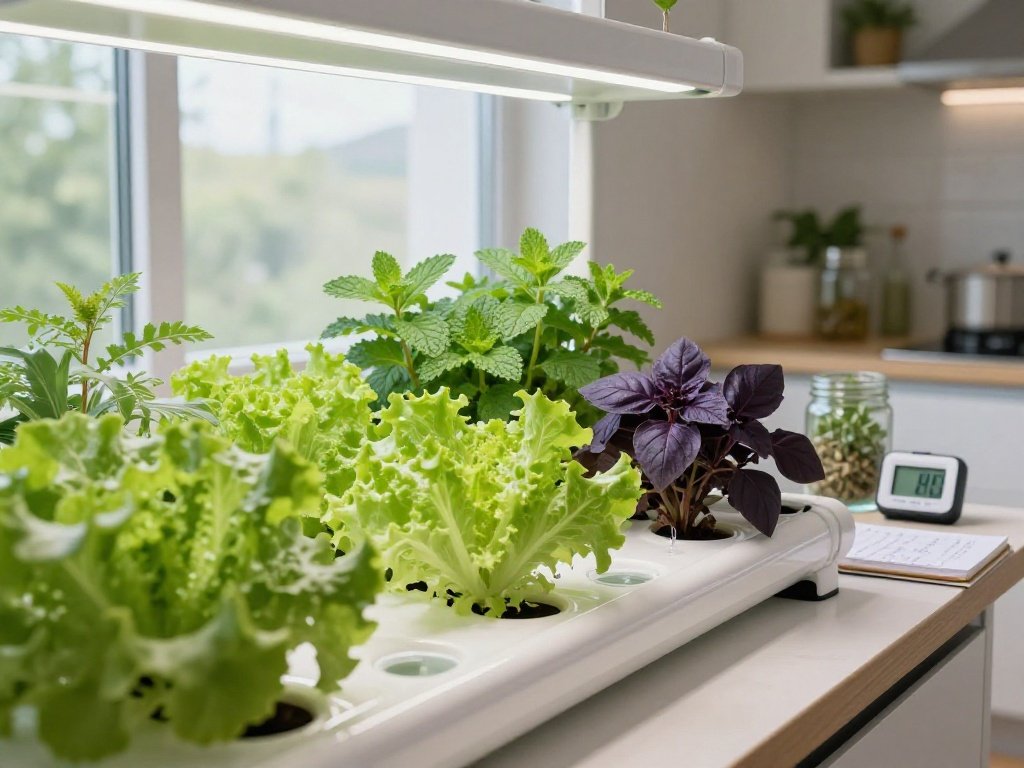
Introduction to Hydroponics
Let’s talk about hydroponics – honestly, it’s pretty cool. You grow plants without any soil at all, just using water packed with nutrients. No more worrying about whether your backyard dirt is any good or battling weeds that seem to pop up overnight. Instead, your plants sit in things like perlite, coconut husk chunks, or rock wool, getting their food straight from the water they’re sitting in.
Why bother with hydroponics? Well, for starters, you often get way more bang for your buck. Plants tend to grow faster since they’re not fighting for nutrients in soil, and you can dial in exactly what they need. Plus, these systems usually use less water than traditional gardening – a big win if you’re trying to be eco-friendly. And the best part? You can set this up inside your apartment or garage and grow stuff all year long, snow or shine.
Don’t let the fancy name scare you off. Building a basic hydroponic system at home won’t break the bank – seriously, you can do it for under fifty bucks with stuff you probably already have lying around. That low cost means you can mess around, try different things, and actually learn by doing without sweating over wasting money. In this guide, I’ll walk you through five dead-simple systems you can build this weekend. Each one comes with a shopping list, step-by-steps, and some hard-won tips to keep your plants happy. By the time you’re done reading, you’ll have everything you need to start your own soil-free garden and actually enjoy eating what you grow.
What You Actually Need (Without Breaking the Bank)
Look, you don’t need a chemistry lab or a trip to the hydroponics superstore. Hit up your recycling bin, the dollar store, or that drawer full of random hardware, and you’re halfway there.
For containers: grab clean plastic bottles, old buckets, or those takeout containers you’ve been saving. Just give them a good wash first – no soap residues or mystery gunk on your plants, please.
You’ll need something for the roots to hold onto: clay pellets work great, perlite’s cheap and light, or coconut coir if you prefer something more natural. These keep the roots oxygenated and moist without drowning them.
For systems that move water (like DWC or NFT), you’ll want a small pump. Aquarium stores have submersible ones for ten bucks that work perfectly. And yes, you do need hydroponic nutrients – they’re not just plant food with a fancy label. Garden centers or Amazon have decent options that won’t wreck your budget.
Tools-wise: scissors, maybe a drill if you’re making holes, and a knife. Safety first – wear those dorky safety glasses when drilling, and respect sharp things. They exist for a reason.
Grab a pH test kit while you’re out – they’re not expensive and totally worth it. Plants are picky about their water’s acidity, and guessing usually ends in sadness. And hey, reusing stuff you already own? That’s not just saving cash, it’s actually kind of nice for the planet.
Five Systems You Can Actually Build (Really)
Okay, let’s get practical. Hydroponics has gone from weird science experiment to something regular people do in their closets and balconies. Here are five approaches that won’t require an engineering degree or a second mortgage.
The Kratky Method: This is about as lazy as hydroponics gets – in a good way. You need a container, some growing medium (rock wool cubes work), and your seedlings. Pour in nutrient water, put your plants in so their roots can drink, and… that’s it. No pumps, no electricity. Perfect for lettuce, basil, or anything that likes to leaf out quickly.
Deep Water Culture (DWC): Picture your plant roots taking a constant bubble bath in nutrient water. You’ll need a bucket or bin, an air pump (the kind for fish tanks), an air stone to make those bubbles, and net pots to hold your plants. Fill it with water and nutrients, bubble away, and suspend your plants so their roots dangle in the solution. Herbs and lettuce love this setup – they grow like crazy when their roots are happy and oxygenated.
Nutrient Film Technique (NFT): This one’s a bit more like a tiny water slide for roots. You build a slightly tilted channel (PVC pipe or even rain gutters work), pump nutrient water to the top, and let it trickle back down to the reservoir. The roots get a constant snack without being submerged. Strawberries and mint do particularly well here – they seem to enjoy the gentle flow.
Ebb and Flow (aka Flood and Drain): Think of this as giving your plants periodic meals and then letting them digest. You flood the growing tray with nutrient water on a timer, then let it drain back down. You need a container, a pump, and a simple timer (the kind for holiday lights works fine). Tomatoes and cucumbers are big fans of this rhythm – they get fed and then get to breathe.
Wick System: The ultimate in set-it-and-forget-it. A piece of rope or felt acts as a straw, pulling water from a reservoir up to your plants’ roots. Super basic: container, wick material, and your growing medium. Great for herbs or small plants that aren’t thirsty drinkers – they’ll take what they need when they need it.
Each of these has its own quirks and sweet spots, but they all let you grow food without dedicating your whole backyard to dirt.
Keeping Things Alive (Without Losing Your Mind)
Alright, your system’s built and plants are in – now what? Honestly, most of the work is just paying attention.
pH is your new best friend. Most hydroponic plants want their water somewhere between 5.5 and 6.5 on the pH scale. Test it weekly with those cheap strips or liquid kits. If it’s off, pH up or down solutions are cheap and easy to use. Get this wrong and your plants can’t eat, no matter how much food is in the water.
Nutrients need checking too. That mix you made isn’t forever – plants use it up, and evaporation concentrates what’s left. Top off with plain water as needed, and remix nutrients every week or two according to the bottle directions. Different plants want different diets as they grow – leafy stuff likes more nitrogen early on, while fruiting plants want more phosphorus and potassium later.
Light matters a ton if you’re indoors. Your plants need the right kind and amount for whatever stage they’re in. Seedlings don’t need blazing light, but flowering tomatoes sure do. Watch your plants – if they’re stretching tall and pale, they need more light. If leaves are curling or burning, dial it back. And yeah, a simple timer for your grow lights makes life infinitely easier.
Watch out for the usual suspects: yellow leaves often mean nutrient issues (check your mix and pH), slimy brown roots scream root rot (usually from stagnant water or poor oxygen), and that green fuzzy stuff on surfaces is algae (it loves light and nutrients – cover your reservoir and use opaque tubing to starve it).
The truth is, hydroponics isn’t magic. You’ll have successes and failures. But when you bite into a tomato you grew in water on your kitchen counter, or snip basil for pasta that never saw dirt, it feels pretty damn good. Start small, learn what your plants like, and don’t be afraid to kill a few along the way – that’s how you actually figure this stuff out.
Leave a Reply