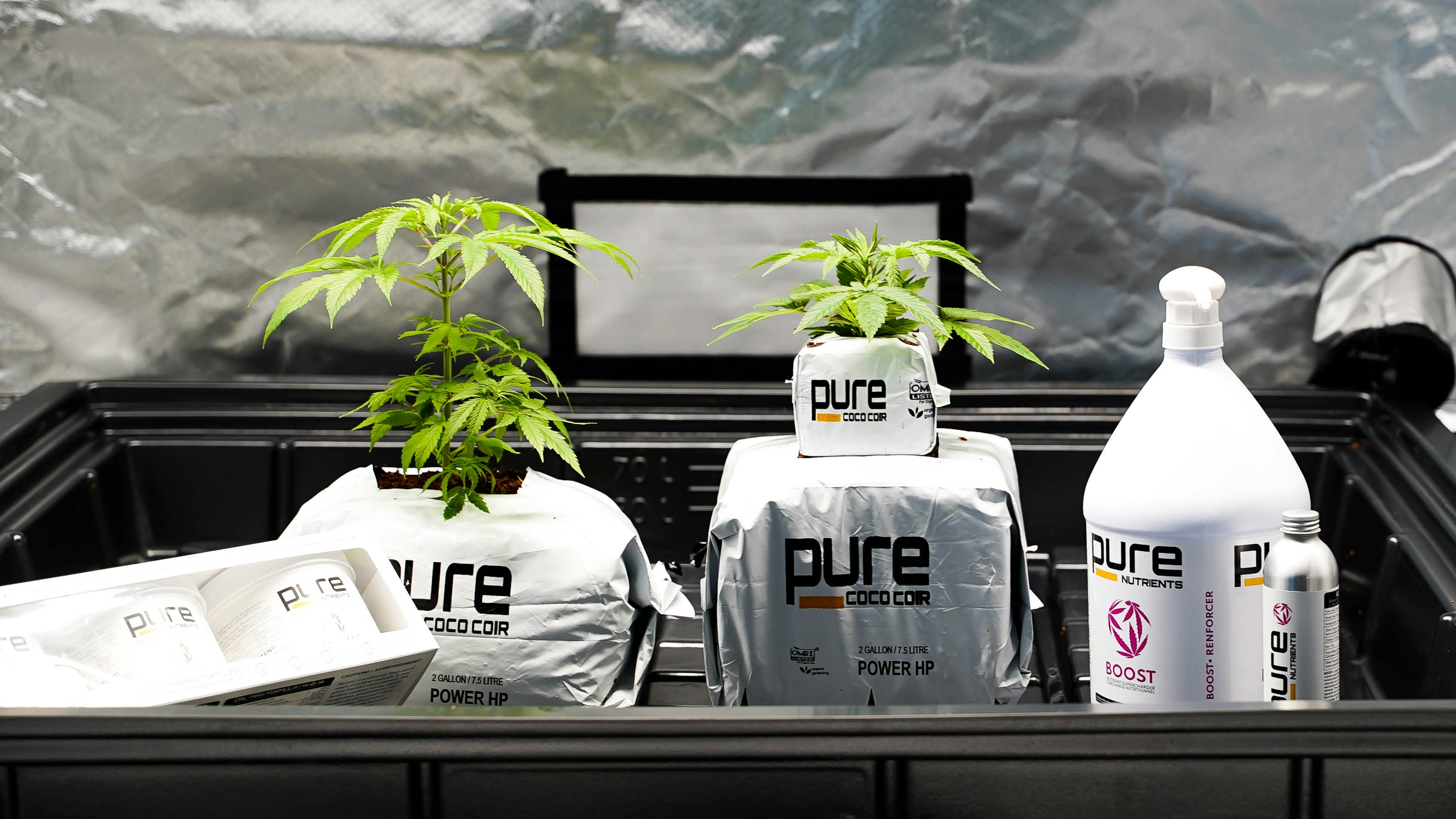
Understanding Hydroponics and Its Benefits
Hydroponics: Growing Plants Without Soil
Hydroponics is basically gardening’s “soil‑free” hack—plants get all their nutrients straight from a water‑based solution that’s been fortified with the minerals they need. It’s caught on with hobbyists and commercial growers alike because it solves a handful of headaches that come with dirt‑based gardening.
For starters, plants tend to shoot up faster. Since the roots are bathing in a nutrient cocktail 24/7, they don’t waste energy hunting for food in the soil, so growth speeds up and yields often jump. That’s a big win if you’re trying to squeeze a garden onto a balcony, a rooftop, or a cramped apartment. Vertical hydroponic setups take this a step further—stacking trays or towers lets you grow upward instead of outward, making the most of every square foot.
Water use is another plus. In a regular garden, a lot of water disappears through evaporation or runs off the soil. Hydroponic systems, by contrast, recirculate the same solution over and over, so you end up using far less H₂O. It’s a tidy way to keep your garden green while being kinder to the planet.
There are a few different flavors of hydroponics, each with its own quirks:
* Deep Water Culture (DWC) – Plants sit in a deep, oxygen‑rich reservoir where their roots constantly sip nutrients and O₂. It’s simple, reliable, and tends to push growth into overdrive.
* Nutrient Film Technique (NFT) – A thin stream of nutrient solution slides past the roots, keeping them moist and fed without drowning them. It’s great for leafy greens and herbs.
Picking the right system usually comes down to what you’re growing, how much space you have, and how hands‑on you want to be.
What Are Organic Hydroponic Nutrients?
When we talk about “organic” hydroponic nutrients, we mean solutions that come from natural, minimally processed sources—think composted plant matter, seaweed extracts, or aged manure—rather than the synthetic salts you’ll find in conventional hydroponic mixes. The idea is to keep the nutrient loop as close to nature as possible, which many growers feel leads to healthier plants and a cleaner footprint.
Where do these nutrients come from?
* Plant‑based stuff – Composted leaves, alfalfa meal, kelp or seaweed extracts. They bring a mix of vitamins, minerals, and growth‑promoting compounds.
* Animal manures – Chicken litter, cow dung, worm castings. They’re rich in N‑P‑K (nitrogen, phosphorus, potassium) and also add beneficial organic matter.
* Microbial inoculants – Helpful bacteria and fungi that break down organic material into forms the plant can actually absorb, boosting nutrient availability.
One thing to keep in mind: organic nutrients tend to release their goodness more slowly than the quick‑hit synthetic salts. That means you have to watch the solution a bit more closely and adjust feeding schedules as the plants move through seedling, vegetative, and flowering stages. The payoff? You’re feeding your plants in a way that feels more like a natural ecosystem, and you’re cutting back on the chemical runoff that can harm waterways.
The Hurdles of Going Organic in Hydroponics
Switching to an organic hydroponic regime isn’t all sunshine and bumper crops—there are real snags you’ll run into.
Finding certified organic inputs can be a scavenger hunt. Unlike soil gardening, where you can grab a bag of OMRI‑listed fertilizer at any garden center, the hydroponic niche has fewer products that carry both an organic seal and the precise nutrient ratios you need. You might end up mixing your own blends or hunting for specialty suppliers.
Nutrient management gets trickier. Because organic nutrients break down gradually, you can’t just dump a set amount and walk away. You’ll need to test the solution regularly—pH, EC (electrical conductivity), and sometimes individual ion levels—to make sure the plants aren’t starving or getting toxic buildup. It calls for a bit more vigilance and a solid grasp of how each crop uptakes nutrients at different stages.
Pests and diseases can feel more aggressive. Hydroponics already gives you a controlled environment, but when you skip synthetic pesticides, you’re leaning on biological controls, beneficial insects, or strict hygiene. If you let your guard down, aphids, spider mites, or root‑borne pathogens can spread fast in the close‑quarter setup. Regular scouting and a quick response plan become essential.
In short, going organic means you trade some convenience for a more hands‑on, observant approach. It’s doable, but you’ll want to arm yourself with knowledge, a reliable testing kit, and a willingness to tinker.
Tips for Making Organic Hydroponics Work for You
If you’re ready to give it a go, here are some practical pointers that have helped other growers stay sane and see decent harvests:
1. Pick your nutrients wisely.
Look for products that carry an organic certification (OMRI, USDA, etc.) and list their ingredient sources. Read the label to see what N‑P‑K ratios they provide and whether they include micronutrients or beneficial microbes. Match the formula to the crop you’re growing—leafy greens need more nitrogen, while fruiting plants love extra potassium and phosphorus during bloom.
2. Stay on top of plant health.
Make it a habit to check the pH (ideal range usually 5.5‑6.5 for most veggies) and nutrient strength (EC) every few days. Keep an eye out for yellowing leaves, stunted growth, or weird spots—early signs of deficiency, toxicity, or pest trouble. A quick spray of neem oil or a release of predatory mites can often nip an infestation in the bud.
3. Guard your water quality. Start with clean, filtered water—reverse osmosis or a good carbon filter works well. Change the reservoir solution completely every 1‑2 weeks (or sooner if you notice slime, algae, or a foul smell) to prevent pathogen buildup. If you’re in a hot climate, consider chilling the solution a bit; warm water holds less oxygen and can stress roots.
4. Learn to troubleshoot the usual suspects.
* Nutrient burn – Leaf tips turning brown or crispy? Flush the system with plain, pH‑balanced water and dial back the nutrient strength.
* Root rot – Brown, mushy roots and a foul smell? Improve aeration (add an air stone or increase flow), keep temperatures cool, and consider a beneficial bacteria additive like Bacillus subtilis.
* pH drift – If the solution creeps up or down, adjust with small amounts of pH up/down solutions; sudden swings shock the plants.
5. Keep a simple log.
Jot down what you fed, when you changed the water, pH/EC readings, and any observations about plant vigor or pests. Over a few cycles you’ll start to see patterns and can fine‑tune your routine without guesswork.
Bottom line: Organic hydroponics lets you grow fresh, clean produce while staying closer to nature’s own nutrient cycles. It asks for a bit more attention and a willingness to experiment, but the reward is a garden that feels alive—both for the plants and for the person tending it. Happy growing!
Leave a Reply