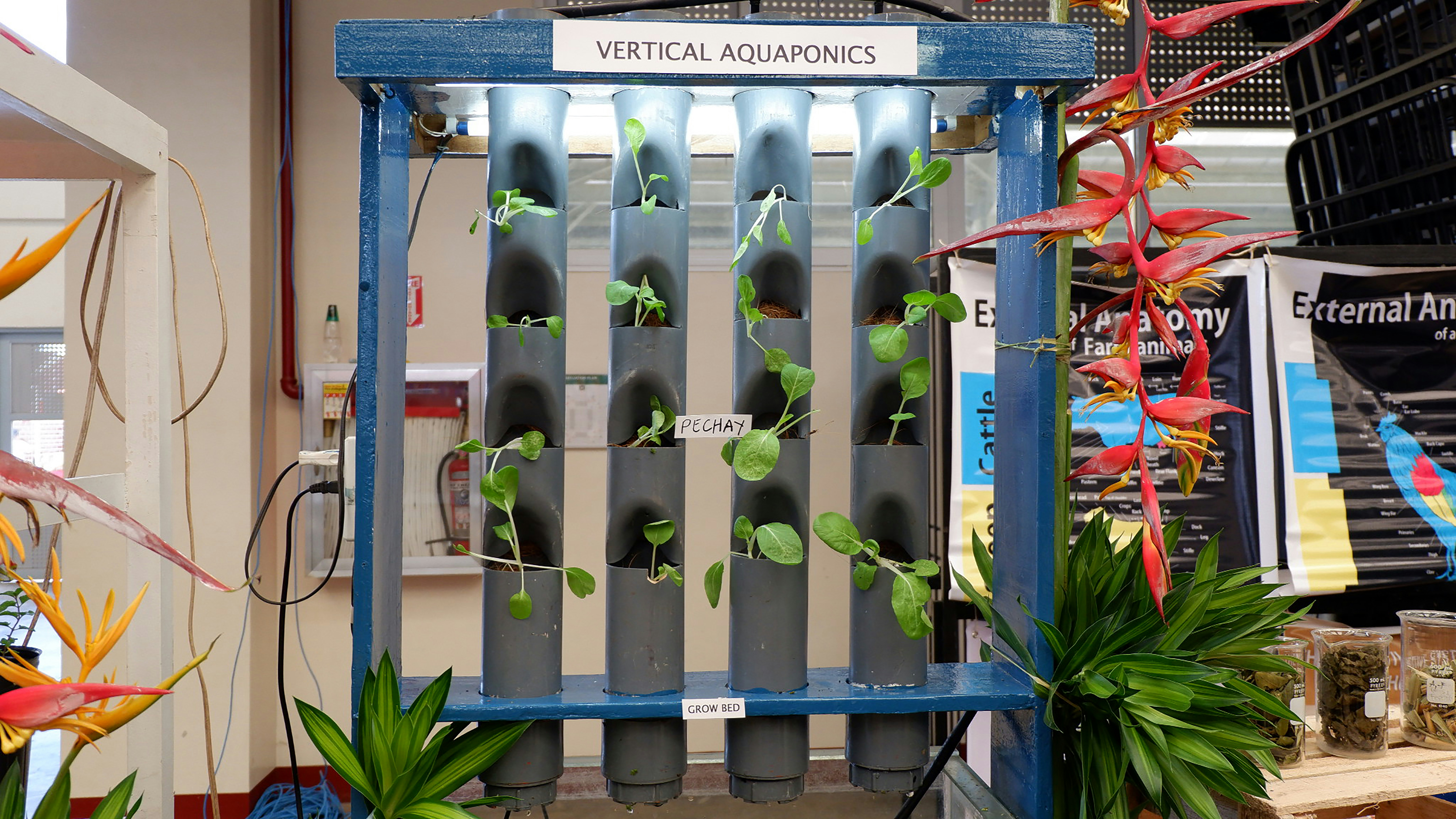
Understanding Aquaponics: The Basics
Aquaponics is a method of sustainable agriculture that combines aquaculture, the cultivation of fish, with hydroponics, the growth of plants in nutrient-rich water. This innovative system creates a symbiotic environment where fish, plants, and beneficial bacteria coexist, forming a closed-loop ecosystem. In a typical aquaponics setup, fish waste provides an organic nutrient source for the plants, while the plants contribute to the cleaning of the water, which is then recirculated back to the fish tanks.
The fundamental principle behind aquaponics is the nitrogen cycle, which involves the conversion of fish waste into nutrients through the action of bacteria. These bacteria break down ammonia from fish waste into nitrites, which are further converted into nitrates that plants can readily absorb. This process not only ensures efficient nutrient utilization but also significantly reduces the need for artificial fertilizers, making aquaponics a more environmentally friendly option than traditional farming methods.
Advocates of aquaponics often highlight several benefits associated with this agricultural technique. For instance, aquaponics systems are generally more water-efficient, consuming up to 90% less water than conventional farming. Additionally, they can be implemented in urban settings, making fresh produce more accessible to city dwellers. Furthermore, by eliminating the need for chemical pesticides and fertilizers, aquaponics promotes healthier crops and contributes to sustainable food production.
In summary, the intricate interplay between fish, plants, and bacteria in aquaponics not only exemplifies a self-sustaining ecosystem but also supports sustainable practices in agriculture. This method underscores the potential for innovative solutions to food production challenges, particularly in terms of resource efficiency and environmental impact.
The Myth of Self-Sustainability in Aquaponics
Aquaponics is often heralded as a revolutionary method of food production, combining aquaculture (the farming of fish) with hydroponics (the cultivation of plants in water) to create a seemingly self-sustaining ecosystem. This notion is propagated to the extent that many believe once an aquaponics system is set up, it requires minimal further inputs or maintenance. However, this belief is more myth than reality.
In truth, aquaponics systems require ongoing management and inputs to maintain their balance and productivity. One of the most commonly overlooked aspects is the need for supplemental feeding of fish. While fish waste provides essential nutrients for plant growth, the quantity and quality of this waste can fluctuate. Fish often do not produce enough waste to sustain higher-density planting, leading to the realization that supplemental fish feed becomes necessary to ensure both plant and fish remain healthy.
Additionally, water chemistry management plays a crucial role in the long-term viability of aquaponics systems. Factors such as pH levels, ammonia concentrations, and dissolved oxygen must be regularly monitored and adjusted. Without vigilant oversight, the aquatic environment can shift, negatively affecting both fish health and plant growth. Proper maintenance of these parameters is essential to prevent toxicity and diseases that can arise from imbalances.
Furthermore, pest infestations pose another challenge that cannot be ignored in an aquaponics setup. While some pests may be naturally managed through ecological balance, others can proliferate significantly, especially in a controlled environment. Thus, proactive measures, such as integrated pest management strategies, must be implemented to protect crops from infesting dangers.
Realities of Maintaining an Aquaponics System
Maintaining an aquaponics system requires diligence and ongoing effort, as it is not a completely hands-off solution for growing food. One of the primary realities is the need for regular monitoring of water quality. Water parameters such as pH, ammonia levels, nitrites, and nitrates must be consistently checked to ensure a healthy environment for both fish and plants. Any fluctuations can adversely affect the overall system, leading to stressed fish and poor plant growth.
In addition to monitoring, periodic adjustments to nutrient levels are essential. While aquaponics systems are designed to be self-sustaining, the nutrient cycle can become unbalanced, especially if one component is thriving at the expense of the others. For instance, if fish are not producing enough waste, the system may require supplemental nutrients to avoid deficiencies in the plants. This highlights the importance of understanding the relationship between the fish, plants, and bacteria within the aquaponics ecosystem.
Common challenges such as fish disease, algae growth, and pests also need to be addressed. Effective maintenance involves being proactive in identifying issues before they escalate. This may include practicing strict biosecurity measures to prevent the introduction of diseases and regularly cleaning components to reduce algae proliferation. Additionally, having a pest control strategy that is safe for both fish and plants is crucial. Overall, although an aquaponics system can be more sustainable than traditional agriculture, it is essential to recognize that it does require commitment and a proactive approach to maintain its health and efficacy.
Finding the Balance: Making Aquaponics Work for You
When considering the implementation of an aquaponics system, it is essential to recognize that success lies in finding the right balance between sustainability and practicality. This innovative method of food production synergizes aquaculture and hydroponics, providing an efficient means of cultivating both fish and plants. Nevertheless, various factors influence the effectiveness of any aquaponic setup, necessitating careful planning and consideration.
First, selecting the right components is crucial for establishing a functional aquaponics system. Opt for high-quality fish species that are well-suited for your climate and environment. Common choices include tilapia, catfish, or trout, which thrive in enclosed systems. Similarly, select plants that are complementary to your aquatic life. Leafy greens, herbs, and small fruiting plants often yield the best results. By choosing compatible species, you enhance the synergy between plant and fish growth.
Next, establish realistic goals tailored to your unique circumstances. Understand the scale of your aquaponics system, whether for backyard gardening or a more extensive commercial venture. Smaller systems may require less investment and offer valuable learning experiences, while larger setups can provide a higher yield. Set achievable expectations; not every system will yield immediate results. Take the time to learn about the nuances of nutrient cycling, water quality management, and disease prevention.
It is also vital to acknowledge the commitment involved in maintaining your aquaponics system. Regular monitoring of water parameters, feeding schedules, and overall system health is essential for long-term sustainability. Lastly, consider joining online forums or local aquaponics groups, where you can share experiences and gather insights. These resources not only foster community support but also provide ongoing education, ensuring you remain informed about best practices.
Leave a Reply