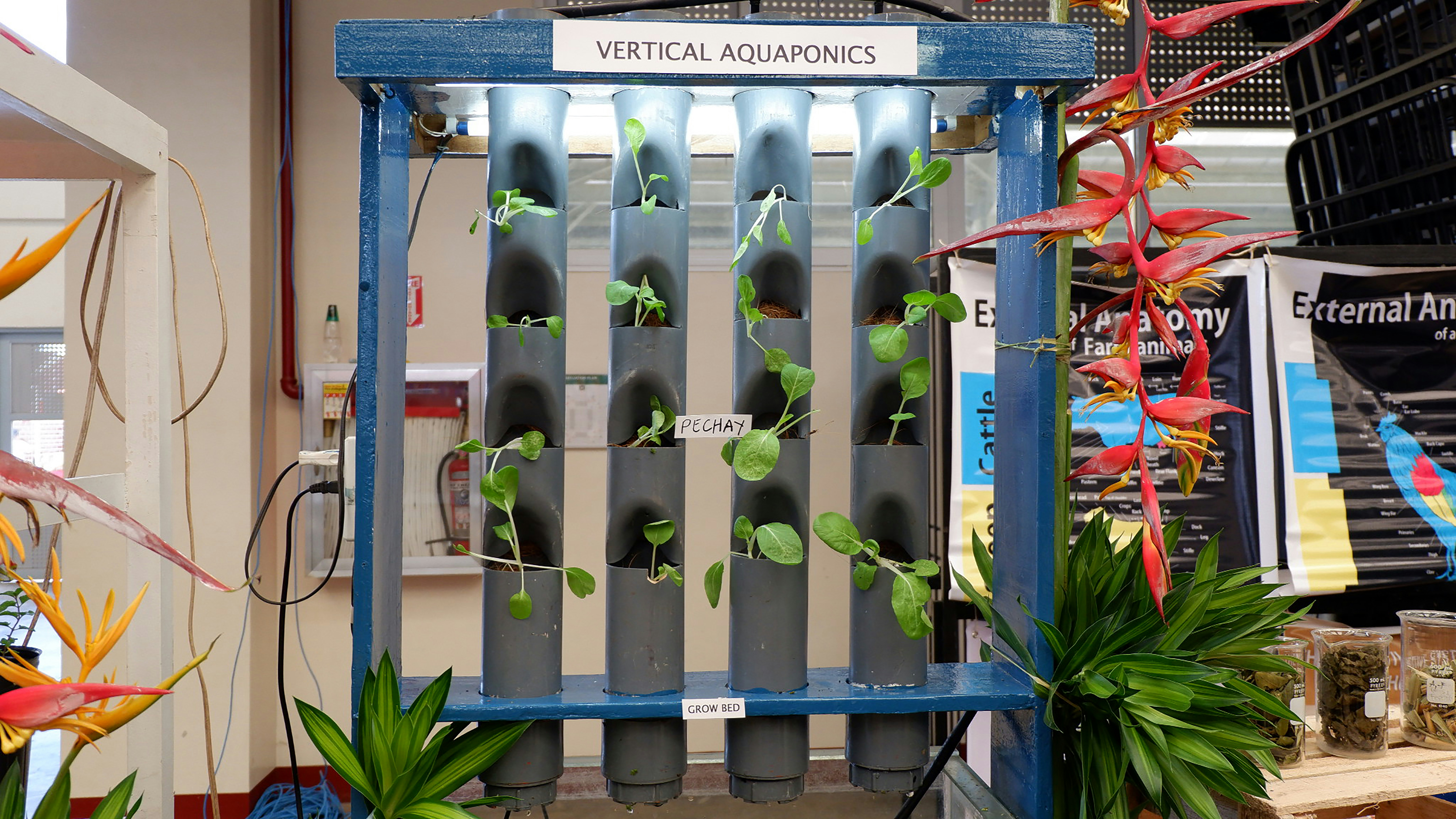
Understanding Aquaponics Systems
Aquaponics is a sustainable farming method that integrates two distinct forms of agriculture: fish farming (aquaculture) and plant cultivation (hydroponics). This innovative system operates on a symbiotic relationship, where fish provide essential nutrients for plants while the plants contribute to water purification for the fish. In a typical aquaponics system, fish waste serves as a natural fertilizer, supplying nutrients such as nitrogen, phosphorus, and potassium necessary for healthy plant growth.
As the plants absorb these nutrients, they also filter and clean the water, which is then circulated back to the fish tank. This closed-loop system minimizes water usage compared to traditional farming methods and reduces the need for chemical fertilizers, making it an environmentally friendly option for food production. The effectiveness of an aquaponics system relies significantly on maintaining balance between fish and plant populations, ensuring that neither outgrows the other.
There are various types of aquaponics systems, including media-based systems, nutrient film technique (NFT), and deep water culture (DWC). Each system has its unique characteristics, and the choice often depends on factors such as available space, budget, and the type of crops and fish being cultivated. Regardless of the system type, all aquaponics setups require careful monitoring of water quality parameters, including pH levels, ammonia concentration, and oxygen levels, to ensure optimal growth conditions for both fish and plants.
In conclusion, aquaponics presents a highly efficient method of food production by harnessing the natural relationships between aquatic and plant life. By understanding how these systems function and the necessity of balancing fish and plants, growers can optimize their aquaponics operations and contribute to sustainable agriculture.
Factors Influencing Fish Density
When establishing an aquaponics system, determining the appropriate fish density is essential for the health of both aquatic and plant life. Several key factors influence how many fish can be sustainably housed in an aquaponics environment, including water volume, fish species, growth stage, and feeding rates. Each of these elements plays a critical role in the overall functioning of the system.
The volume of water in an aquaponics system is a primary consideration, as it directly impacts the concentration of waste produced by fish. An adequate water volume not only supports healthy fish growth but also provides a sufficient buffer against fluctuations in water quality. As a general guideline, a larger fish biomass requires a higher water volume to maintain optimal conditions. Thus, managing water volume effectively is crucial to ensuring sustainable fish density.
Fish species also significantly affect the density that can be accommodated. Different species have varying bioloads, growth rates, and space requirements, which must be factored in when calculating how many fish can coexist in a system. For instance, species such as tilapia and catfish can often be stocked at higher densities compared to other species that may require more space due to their size or behavioral patterns.
The growth stage of the fish plays a vital role in determining fish density. Young fish typically require more space to acclimate and grow, while mature fish can be stocked more densely due to their established size and resilience. Additionally, feeding rates influence the health of the aquatic environment; overfeeding can lead to increased waste and ammonia levels, which may compromise both fish and plant health. It is important to adjust feeding rates according to the fish’s growth stage and density, thereby ensuring a balanced and sustainable ecosystem.
In any aquaponics system, maintaining a balanced ecosystem is critical to ensure the health of both fish and plants. One of the most significant challenges faced by aquaponics practitioners is recognizing the signs of overcrowding. When fish are overstocked, several physiological and environmental symptoms may arise, which can greatly affect the overall system performance.
One of the primary indicators of overcrowding is a noticeable decline in water quality. High fish populations can lead to increased waste production, resulting in higher levels of ammonia and nitrites. Frequent testing of water parameters is essential – fish stress may become manifest through symptoms such as reduced activity, abnormal swimming patterns, or respiratory distress. When these signs are present, it is often a stark warning that the aquaponics system is at risk of overstocking.
Additionally, fish stress can have dire consequences for plant health as well. An overcrowded system could lead to insufficient oxygen levels due to excess biological load, impacting the growth of aquatic plants. This, in turn, can decrease nutrient uptake by plants, leading to yellowing leaves and lower overall yields. Maintaining a balance between fish and plant populations is essential for system stability.
Real-world examples illustrate the repercussions of overcrowding. In one documented case, an aquaponics system experienced significant fish die-off due to overstocking. The owner reported that water quality fluctuated dramatically, causing stress among the fish and eventually leading to a collapse of the ecosystem. Such scenarios highlight the importance of regular monitoring and adjustments to fish populations to prevent overcrowding.
By recognizing these symptoms early, aquaponics enthusiasts can take proactive measures to restore balance, ensuring optimal health for both fish and plants in their system.
Best Practices for Managing Fish Population
Managing fish populations in aquaponics systems is crucial for ensuring a harmonious ecosystem that promotes both fish health and plant growth. The first step towards effective population management is conducting regular fish health assessments. Monitoring the health of fish not only allows for the early detection of diseases but also helps in evaluating their growth rates and behaviors. Keeping a close eye on these factors enables aquaponics operators to adjust feeding practices and environmental conditions accordingly, fostering an optimal living environment for fish.
Another key practice is the implementation of biofilters. Biofiltration systems play a vital role in maintaining water quality, which is fundamental for both fish and plants in an aquaponics setup. Biofilters convert harmful waste products, such as ammonia from fish excretion, into less harmful substances like nitrates, which plants can utilize. Ensuring the biofilter is appropriately sized for the fish population can significantly enhance water conditions, promote fish well-being, and ultimately increase plant yield.
Periodic harvesting of fish is also essential in managing their population. Overcrowding can lead to stress and increased competition for resources, which can adversely affect both fish and plants. By periodically harvesting mature fish, aquaponics practitioners can maintain a balanced fish-to-plant ratio, thus optimizing the overall performance of the system. It is advisable to research the specific species of fish being raised to determine the appropriate time and frequency of harvests.
Incorporating these best practices into the management of fish populations not only promotes the stability of the aquaponics system but also enhances sustainability. Over time, by adhering to these guidelines, aquaponics enthusiasts can ensure healthy fish and thriving plants, thereby achieving a successful aquaponics operation.
Leave a Reply