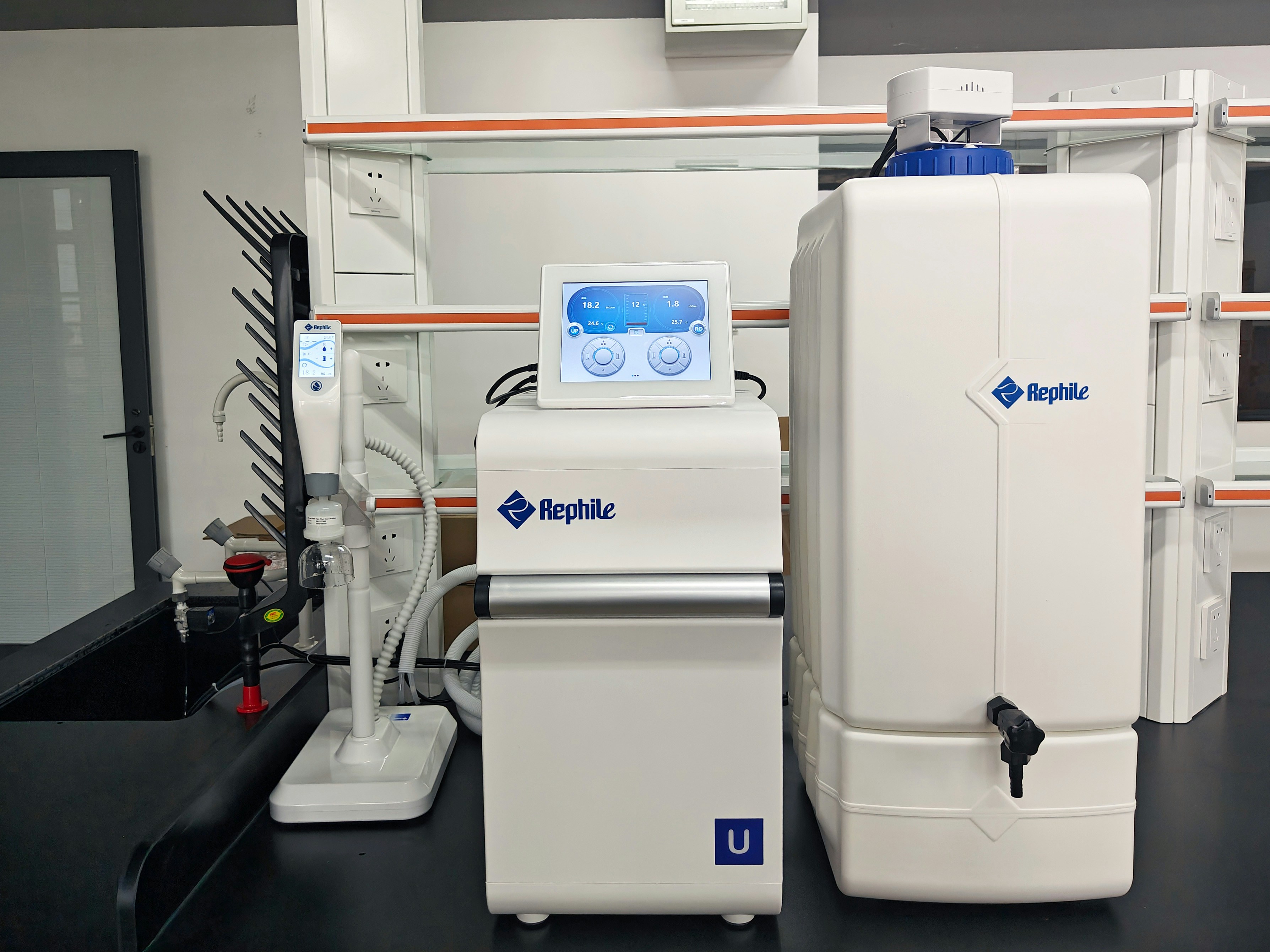
Understanding the Importance of Water Quality in Hydroponics
Ever wonder why your hydroponic lettuce is thriving while your neighbor’s looks kinda sad? Chances are, it’s not the nutrients or the lights—it’s the water. Yeah, really. Water isn’t just H₂O in hydroponics; it’s the lifeline, the delivery truck, and the bouncer all rolled into one. If that water’s dirty or out of whack, everything downstream suffers—nutrients get blocked, plants get stressed, and your yields take a hit. Let’s break down why water quality is the unsung hero (or silent saboteur) of your grow.
Why Clean Water = Happy Plants
Think of your hydroponic system like a bloodstream: water carries the nutrients straight to the roots. If that fluid’s gunked up with junk—pathogens, excess minerals, or chemical residues—it’s like trying to drink a smoothie through a clogged straw. The plant can’t absorb what it needs, even if you’re dumping in fancy nutrients. Result? Stunted growth, weak stems, and sad-looking leaves.
But flip it: when your water’s clean and balanced? Magic happens. Roots explode with energy, photosynthesis hums along efficiently, and your plants build that lush, green biomass you’re after. Skip the water checks, though, and you’re flirting with trouble—yellowing leaves (chlorosis), droopy stems, or worse, a disease party that invites itself in. Regular testing and filtration aren’t chores; they’re your insurance policy against all that.
What’s Lurking in Your Water?
Not all contaminants wear the same badge. Here’s the usual suspects crashing your hydroponic party:
- Pathogens (the sneaky invaders): Think Pythium or Fungus—they love nutrient-rich water and throw root rot rages. Catch ’em early with routine tests, or watch your whole system go down.
- Chemical pollutants (the slow burn): Heavy metals from old pipes, pesticide runoff, or even chemicals leaching from your tank itself. These don’t just hurt plants—they can end up in your food. Testing for these isn’t optional if you care about safety.
- Physical junk (the clog-makers): Algae blooms, dust, or bits of growing medium that muck up filters and throw off nutrient balance. If roots can’t drink cleanly, they’ll protest—slow growth or nutrient lockout.
The fix? Stay proactive. Test weekly, not just when problems show up. A little vigilance stops small issues from becoming crop-killers.
Filtering Like a Pro
Now, how do you actually keep that water clean? Forget one-size-fits-all—your ideal filter depends on what you’re fighting. Here’s the quick lowdown:
- Sediment filters (your first line of defense): Catch big stuff like dirt and algae. Cheap, easy, but won’t touch dissolved junk.
- Carbon filters (the chemical bouncers): Grab chlorine, pesticides, and organic nasties. Great for city water, but replace ’em regularly—they fill up fast.
- Reverse osmosis (RO) (the nuclear option): Strips everything—minerals, metals, pathogens. Gives you a blank slate to build your perfect nutrient mix. Downside? Wastes water and strips beneficial minerals you might need to add back.
- UV sterilizers (the pathogen zappers): Doesn’t remove solids, but fries bacteria and viruses with light. Pair it with sediment filtration for maximum effect.
Pro tip: Match your filter to your water source. Well water? Prioritize sediment and iron removal. City water? Carbon for chlorine/chloramines. Recirculating systems? UV or RO to keep pathogens from recycling.
Bottom Line:
Water quality isn’t just “important” in hydroponics—it’s the foundation. Nail this, and you’re giving your plants the best shot at explosive growth, disease resistance, and max yield. Skip it, and you’re fighting uphill. Test often, filter smart, and watch your system thrive. Your future self (and your salad bowl) will thank you.
Mechanical filters are one of the most commonly used types of water filtration in hydroponics. These filters work by physically removing particles, sediments, and debris from the water. The main advantage of mechanical filters is their ability to block large particulates effectively, helping to prevent clogging in the hydroponic system. However, while mechanical filtration can remove visible impurities, it may not eliminate dissolved contaminants, requiring additional treatments for comprehensive purification.
Carbon filters, specifically activated carbon filters, serve as another highly effective filtration method. These filters utilize activated carbon to adsorb impurities from the water, including chlorine, volatile organic compounds, and some heavy metals. This is particularly important for hydroponic systems, as certain chemicals can adversely affect plant growth. On the downside, carbon filters require regular replacement to maintain their effectiveness, and they are not capable of eliminating pathogens.
For comprehensive sterilization, UV sterilizers provide an excellent solution. These devices expose water to ultraviolet light, effectively killing bacteria, viruses, and algae. The significant advantage of UV sterilizers lies in their ability to ensure pathogen-free water, which is crucial in maintaining plant health. However, UV systems often require consistent maintenance and monitoring of bulb performance to ensure they function correctly.
In conclusion, selecting the right water filtration method is essential for successful hydroponics. By understanding the strengths and weaknesses of mechanical filters, carbon filters, and UV sterilizers, hydroponic growers can make informed choices that help optimize the health and productivity of their plants.
Testing Water Quality: Essential Parameters and Best Practices
Maintaining optimal water quality is crucial in hydroponics, as it directly affects plant growth and health. Several key parameters should be routinely tested to ensure a suitable environment for hydroponic systems. The first essential parameter is the pH level of water, which indicates its acidity or alkalinity. For most hydroponic crops, the ideal pH range is between 5.5 and 6.5. A pH outside this range can hinder nutrient availability and negatively impact plant growth. Regularly testing pH using a reliable pH meter or test kit is recommended to ensure that this critical parameter remains within the desired range.
Another important parameter is Electrical Conductivity (EC), which measures the water’s ability to conduct electricity and indicates the concentration of dissolved salts and nutrients. For successful hydroponics, the optimal EC range typically fluctuates between 1.5 to 2.5 mS/cm, depending on the plant type and growth stage. Higher EC levels can lead to nutrient toxicity or salt buildup, while lower levels may result in nutrient deficiencies. Testing EC can be regularly executed with a handheld EC meter to ensure appropriate nutrient concentration.
Dissolved oxygen (DO) levels are also critical for the health of plants in hydroponic systems, as it directly influences root respiration and nutrient uptake. Ideally, DO levels should be maintained above 5 mg/L for optimum plant health. Regular monitoring can be done with a dissolved oxygen meter to ensure oxygen levels remain adequate, especially in deep water culture systems where oxygen may deplete faster.
Testing frequency should be adjusted based on system type, plant growth cycles, and environmental conditions. It is advisable to conduct water quality tests at least once a week to monitor changes effectively. Upon receiving test results, adjustments can be made by adding pH up or down solutions, adjusting nutrient concentrations, or aerating the water to improve oxygen levels. Accurate monitoring and timely adjustments are vital to maintaining an optimal hydroponic environment.
Leave a Reply