The Organic Principle: A Philosophical Overview
The essence of organic farming centers around several core principles that promote sustainability, soil health, and adherence to natural processes. At its foundation, organic agriculture seeks to create a balanced ecosystem that enhances biodiversity, conserves resources, and minimizes environmental impact. It rejects the use of synthetic fertilizers and pesticides, instead embracing natural alternatives that promote soil fertility and plant health. This holistic approach not only contributes to the health of consumers but also supports the broader ecological system.
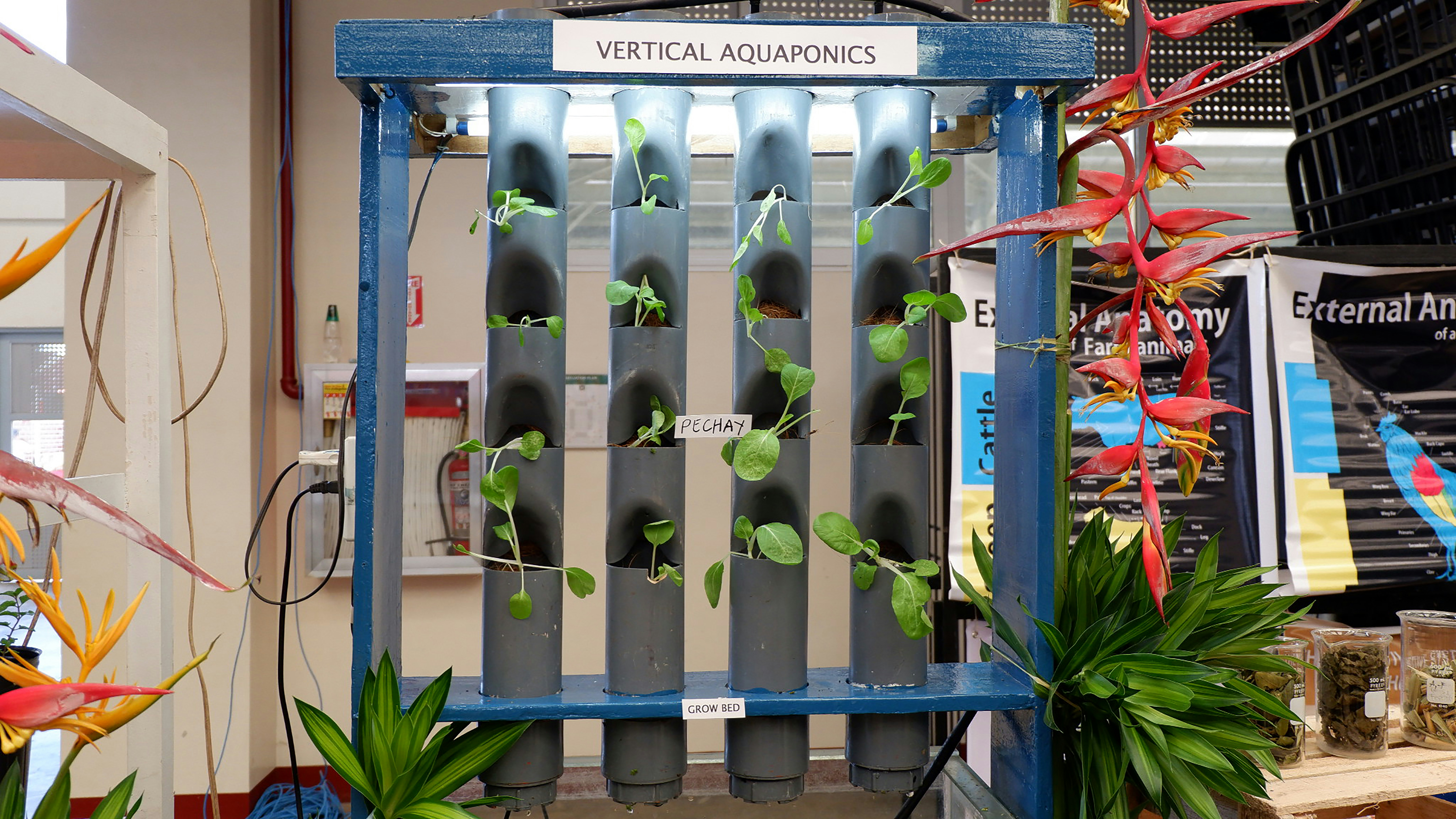
Aquaponics, which combines aquaculture (the cultivation of fish) and hydroponics (the cultivation of plants in water), aligns closely with the spirit of organic farming. The system operates on a closed-loop model in which fish waste provides nutrients to plants, while the plants filter and purify the water, creating a symbiotic environment. In this way, aquaponics eliminates the need for synthetic inputs and promotes the recycling of resources, thereby reducing waste. This method reflects a commitment to sustainable practices and the utilization of natural processes.
Despite the alignment of aquaponics with many organic principles, it is essential to recognize that organic certification entails more than philosophical adherence to these ideas. Certification processes for organic farming are governed by strict regulations and standards that vary by country and certifying body. These standards often dictate specific practices and inputs that must be used or avoided, thus framing the organic debate within a regulatory context. Consequently, while aquaponics can embody the principles of organic farming, its recognition as “organic” can be contingent upon compliance with these established regulations.
Aquaponics vs. Traditional Organic Standards
The debate surrounding aquaponics and its eligibility for organic certification is multifaceted and often contentious. At the heart of the issue lies the traditional organic farming standards that emphasize soil-based cultivation practices. In many regions, particularly in the United States, organic standards explicitly state that organic crops must be grown in soil, which creates a significant barrier for aquaponic systems that rely on a soilless cultivation method. This has led to a perception among some regulatory bodies that aquaponics does not fit within the established framework for organic farming.
Furthermore, mixing hydroponics and aquaculture presents unique challenges that complicate the regulatory landscape. Aquaponic systems integrate fish farming and plant cultivation in a symbiotic environment, where waste from the fish serves as a nutrient source for the plants. This dual-culture approach involves complex interactions, raising questions about inputs such as fish feed and water quality that must be monitored to adhere to organic principles. Unlike traditional organic practices where natural fertilizers are employed, aquaponics might utilize feeds or supplements that are not considered organic, thus creating regulatory gray areas regarding certification.
Another aspect of this controversy centers around the role of sustainable practices in aquaponics. Proponents argue that aquaponic systems are inherently sustainable and can contribute to reducing environmental impacts associated with agriculture, such as water usage and soil degradation. However, the strict interpretation of organic farming guidelines often focuses on specific practices rather than overall sustainability, leading to further complexities for aquaponic farmers seeking certification.
In light of these challenges, it is clear that aquaponics must navigate a convoluted pathway if it is to gain organic certification. This ongoing debate highlights the need for dialogue between aquaponic practitioners and organic certification bodies to establish a clearer framework that recognizes the unique attributes of aquaponics while maintaining organic integrity.
The Challenges of Organic Certification in Aquaponics
The journey to obtaining organic certification for aquaponic systems is fraught with complexities and challenges. Primarily, aquaponic farmers must adhere to stringent organic standards that encompass both the aquaculture and hydroponic components of their systems. One of the foremost requirements involves the sourcing of organic fish feed. Conventional fish feed often contains ingredients and additives that are not permitted in organic production. Consequently, finding a supply of certified organic fish feed that meets both the nutritional needs of the fish and the regulatory requirements can be a significant hurdle for aquaponic farmers.
Furthermore, the sourcing of organic inputs extends beyond just fish feed. Aquaponic systems also require organic seeds and plant nutrients, which often necessitates careful selection and verification. The complexity is compounded when it comes to the necessary water treatments. Organic certification mandates the use of specific, organic-approved treatments, which can differ markedly from those used in traditional aquaculture systems. This ensures that the water quality remains high without compromising the organic status of the produce.
In addressing pest control, aquaponic farmers face additional scrutiny. The acceptable pest management practices within organic frameworks are restricted, thereby limiting the tools that aquaponic growers can employ. Organic-approved pesticides and biological controls must be utilized, which can deter pests effectively without risking the integrity of the organic certification. Moreover, ensuring that no chemical residues contaminate either fish or plants elevates the operational challenges.
The combination of these factors culminates in a demanding environment for aquaponic farmers seeking organic certification. Despite the innovative attributes of aquaponics, navigating the complexity of organic regulations remains a significant barrier that requires diligence, planning, and adherence to strict guidelines to achieve certified status.
Navigating Certification: Options for Aquaponic Farmers
The quest for organic certification in aquaponics presents a complex landscape, particularly in the United States, where regulations can be quite stringent and often do not accommodate innovative farming methods such as aquaponics. As aquaponic systems combine aquaculture and hydroponics, the challenge lies in aligning their practices with the USDA’s National Organic Program (NOP) standards. Currently, many aquaponic farmers face difficulties achieving USDA organic certification due to specific requirements concerning soil usage and other traditional farming practices.
In contrast, several countries have started to adapt their organic certification processes to include aquaponics, reflecting a growing recognition of its potential to produce sustainable and chemical-free food. For instance, some European nations have developed specific guidelines that allow for the certification of aquaponic products, acknowledging their ability to meet organic principles. However, this disparity in regulations can leave aquaponic farmers navigating a patchwork of rules that varies widely across regions.
To address the limitations of formal organic certification, many aquaponic farmers are turning to alternative approaches for market positioning. Some choose to label their products as ‘organically grown’ or ‘beyond organic,’ emphasizing their commitment to sustainability and environmental stewardship without the constraints of official organic labels. Additionally, third-party sustainability certifications have emerged as viable options. These certifications not only endorse environmentally friendly practices but also resonate well with consumers looking for assurance about the quality and sustainability of their food sources.
Despite the complexities surrounding organic certification, it is crucial to understand that aquaponics can still embody organic values. Many systems rely on natural methods of pest control, minimize resource usage, and contribute to sustainable food ecosystems. While aquaponic products may not always meet the legal definition of organic, they can still offer clean, sustainable produce that aligns closely with the spirit of organic farming.
Leave a Reply