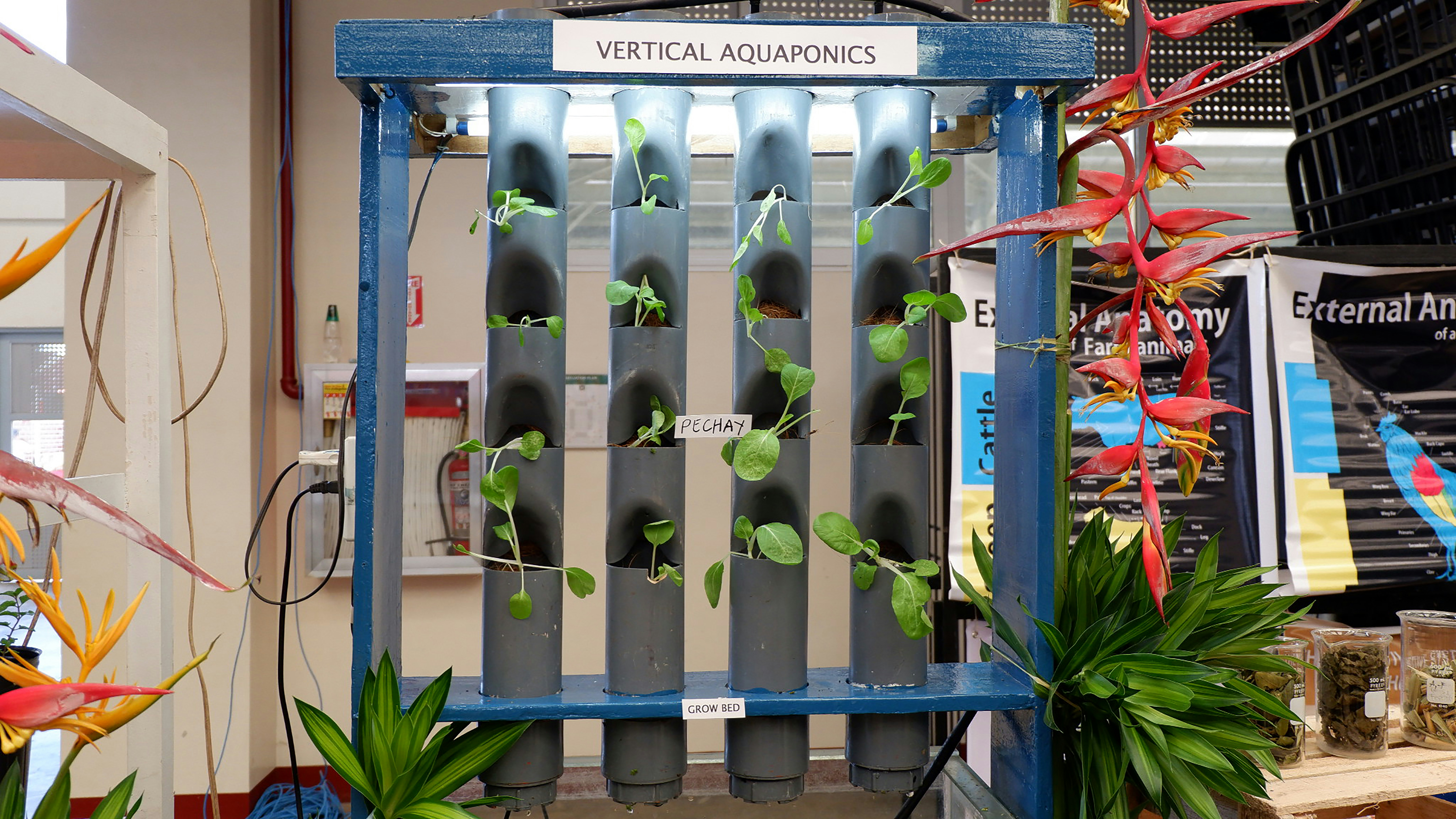
What is Aquaponics?
Aquaponics is an innovative and sustainable farming technique that harmoniously blends aquaculture, which is the practice of raising fish, with hydroponics, the method of growing plants in a water-based solution. This method capitalizes on the natural symbiotic relationship between fish and plants, creating an ecosystem that supports both aquatic and terrestrial life.
In an aquaponic system, fish are raised in tanks, and as they excrete waste, this organic material becomes a vital source of nutrients for the plants. The waste produced by the fish contains ammonia, which is converted into nitrates by beneficial bacteria present in the system. These nitrates serve as an essential nutrient source for the plants, allowing them to thrive without the need for synthetic fertilizers.
Concurrently, the plants play a critical role in maintaining water quality for the fish. As they absorb nutrients and water from their environment, plants filter and purify the water, effectively reducing pollutants and ensuring a clean habitat for the fish. This cyclical process exemplifies a sustainable farming practice that significantly lowers water usage compared to traditional methods.
Aquaponics systems can vary in size and complexity, ranging from small, home-based setups to larger commercial operations. Regardless of size, the fundamental principles remain the same; a well-designed aquaponics system not only produces food sustainably but also conserves resources and minimizes environmental impact.
Understanding the Components of Aquaponics
Aquaponics is a harmonious integration of aquaculture and hydroponics, creating a symbiotic environment that nurtures both fish and plants. This innovative agricultural system comprises several essential components that work collaboratively to foster sustainable food production.
At the heart of the aquaponics system lies the fish tank, where aquatic creatures such as tilapia or goldfish reside. The fish play a crucial role in this ecosystem by producing waste that contains ammonia, a compound harmful to fish in high concentrations but beneficial for plants. To ensure a healthy environment for the fish, the water from the fish tank is circulated into the grow beds.
The grow beds are filled with an inert growing medium, often clay pellets or gravel, that helps anchor the plants while allowing for optimal water and nutrient circulation. As the water flows through the grow beds, beneficial bacteria convert the ammonia excreted by the fish into nitrites and subsequently into nitrates, which serve as vital nutrients for plant growth.
After the water is filtered through the grow beds, it is returned to the fish tank. This continuous cycle not only provides plants with the necessary nutrients for growth but also purifies the water for the fish, creating a balanced ecosystem. The efficiency of this system minimizes water usage, making aquaponics an exemplary model of sustainability.
The diagram aiding in the understanding of this process visually depicts the interconnectedness of the fish tank, grow beds, and the water circulation system. By illustrating these components and their interactions, readers can grasp how aquaponics fosters a mutually beneficial relationship between fish and plants, ultimately promoting efficient and sustainable agriculture.
Real-Life Example of Aquaponics in Action
One notable example of aquaponics in action can be found at a small-scale farm known as “Urban Harvest” located in a suburban area. This innovative system combines the growth of fish and vegetables within a self-sustaining ecosystem, highlighting the potential of aquaponics for both sustainable food production and urban agriculture.
The Urban Harvest aquaponics setup utilizes tilapia as the primary fish species due to their hardiness and rapid growth rates. This variety is well-suited to the controlled environment of an aquaponic system, making them an ideal choice for beginners and experienced aquaponics enthusiasts alike. The fish reside in a large tank where they contribute nutrients to the water through their waste, which is subsequently filtered and circulated to the plants.
In terms of plants, Urban Harvest features a variety of leafy greens such as lettuce, kale, and herbs like basil and cilantro. These plants are grown in grow beds that are strategically designed to optimize water flow and ensure they receive adequate nutrients from the fish waste. This complementary relationship between fish and plants exemplifies the efficiency of aquaponics.
The scale of the system is relatively modest, taking advantage of 500 square feet of space. This setup not only provides fresh produce for the owner’s family but also supplies a local market with organic vegetables. The outcomes have been promising; not only does the farm yield healthy, pesticide-free produce, but it has also contributed to responsible fish farming practices. The integration of aquaponics promotes local food systems, reduces reliance on harmful agricultural practices, and demonstrates a viable option for food production in urban settings.
Would You Try Aquaponics at Home?
Aquaponics presents a unique approach to home gardening that combines aquaculture and hydroponics, offering multiple benefits that might appeal to those looking to innovate their gardening practices. One of the primary advantages of implementing an aquaponics system in your home is its sustainability. This method effectively utilizes the waste produced by fish as a nutrient source for plants, creating a closed-loop system that minimizes water usage and reduces the need for chemical fertilizers.
The resource efficiency of aquaponics is remarkable; it uses up to 90% less water than traditional gardening methods. This makes it an excellent choice for individuals living in water-scarce areas or for those simply wishing to contribute to environmental conservation. Home-based aquaponics systems can also enhance food security. By growing your own vegetables and raising fish at home, you gain control over the quality of your food and reduce dependence on store-bought produce, which often comes with higher carbon footprints due to transportation.
Moreover, the ability to cultivate a variety of plants and fish species allows for diverse culinary options, inviting creativity into meal preparation. While starting an aquaponics system may require an initial investment and some research, the long-term benefits can be quite rewarding. Imagine having fresh fish and vegetables readily available at home, fostering a sense of accomplishment in sustainable living.
As you contemplate the prospect of developing an aquaponic setup in your home, consider the space you have available and the level of commitment you are willing to invest. Engaging in aquaponics could not only transform your approach to gardening but also contribute positively to your lifestyle and the environment. Would you take the leap into this innovative gardening solution? The possibilities await!
Leave a Reply