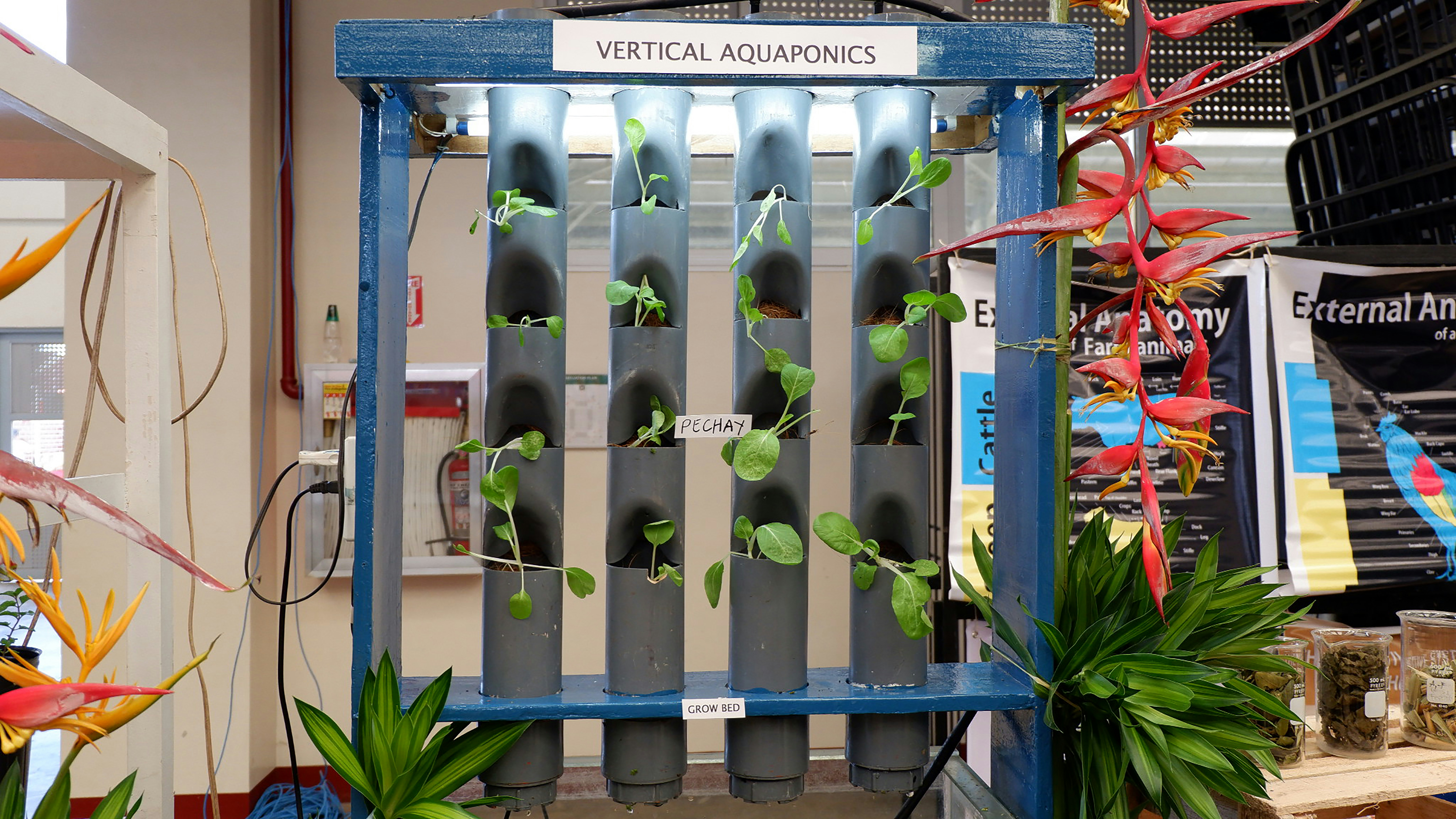
Introduction to Aquaponics and Hydroponics
Aquaponics and hydroponics are innovative agricultural systems designed to maximize plant growth while conserving resources. Aquaponics is a sustainable method that combines aquaculture, the raising of fish, with hydroponics, the cultivation of plants in a water-based environment. This system creates a symbiotic relationship where fish waste provides an organic nutrient source for the plants. The plants, in turn, help filter and purify the water, which is recirculated back to the fish tanks. This mutually beneficial arrangement not only enhances productivity but also promotes ecological balance.
Hydroponics, in contrast, focuses solely on plant growth without the integration of fish. In this system, plants are grown in a nutrient-rich water solution that supplies essential minerals and nutrients directly to the roots. Hydroponics systems can take various forms, such as nutrient film technique (NFT), deep water culture (DWC), and aeroponics. By eliminating the need for soil, hydroponics allows for precise control over the growing environment, leading to quicker growth rates and higher yields.
Each system presents its unique advantages and disadvantages. Aquaponics is praised for its sustainable approach, creating a self-sustaining ecosystem. It reduces the need for chemical fertilizers and promotes biodiversity. However, it can be complex to manage and often requires a deeper understanding of both fish and plant needs. On the other hand, hydroponics offers faster growth cycles, lower operational costs, and less susceptibility to pests and diseases associated with soil. Nevertheless, it relies on commercial nutrient solutions, which may raise concerns about sustainability and chemical usage.
Week One: The Initial Growth Phase
The initial growth phase in both aquaponics and hydroponics is crucial, as it sets the foundation for subsequent development. During the first week, hydroponics tends to demonstrate a notable advantage in terms of speed and efficiency. This is primarily attributed to the nature of nutrient absorption in a hydroponic system, where seedlings can draw resources directly from a water-based solution that is rich in essential nutrients. The immediate availability of these nutrients accelerates the growth rate of seedlings, enabling them to establish themselves rapidly, often noticeable within just a few days.
In contrast, aquaponics experiences a more measured start during its first week. This system relies on a complex interaction between fish, bacteria, and plants, where each plays a pivotal role in nutrient cycling. The synchronization of these biological components is critical, as aquaponics cannot immediately provide the nutrients needed by the plants without the prior establishment of beneficial bacteria that convert fish waste into usable nutrients. Therefore, initial plant growth is slower in aquaponics as the system must first reach a balanced state, allowing the fish and microbial life to thrive alongside the plants.
This slower onset in aquaponics, however, does not inherently signify inefficiency; rather, it highlights the system’s holistic approach to resource management and environmental sustainability. As the weeks progress, once the aquaponics setup stabilizes, the plants can benefit from a well-oiled ecosystem, potentially leading to robust growth throughout the remainder of their life cycle. In essence, while hydroponics showcases rapid initial growth due to its instantaneous nutrient delivery, aquaponics demands a foundational period that fosters a synergistic relationship between its components, leading to sustainable yields in the long run.
Harvest Time: Conclusions on Growth and Size
When comparing aquaponics and hydroponics, one prominent aspect is the timing and outcomes of the harvest phases associated with both systems. Hydroponics, celebrated for its efficiency in nutrient delivery, typically results in faster growth rates. This system allows for a rapid nutrient absorption process where plants can immediately access the dissolved nutrients in the water solution. Consequently, hydroponic growers often find themselves reaping their crops weeks to a month earlier than their aquaponics counterparts.
However, the speed of growth in hydroponics does not necessarily correlate with superior plant size or health. While the initial yield times are appealing, aquaponics has a distinct advantage when it comes to the quality of the harvest. Utilizing fish waste as a natural fertilizer, this method fosters a more balanced nutrient environment, contributing to robust and healthy plant growth over time. Many aquaponic growers have reported impressive plant sizes, with strong stems and vibrant foliage, which often surpass those grown in hydroponic setups.
Visual data, such as before-and-after photos or growth comparisons, can serve to elucidate these findings. For instance, a recent anecdote from a farmer growing cherry tomatoes demonstrates that while their hydroponically grown plants reached maturity in just six weeks, the aquaponically grown specimens took eight weeks but yielded tomatoes that were not only larger but also richer in flavor and nutrients.
Furthermore, health factors should not be overlooked; plants cultivated within an aquaponic environment often exhibit greater resilience to pests and diseases. This is due to the biodiversity supported within the system, which can act as a natural pest deterrent. Thus, while hydroponics may appear to have an edge regarding speed, aquaponics stands out in terms of the final outcome, leading to a more comprehensive evaluation of growth and harvest metrics.
Choosing Your System: Speed vs Ecosystem Benefits
When faced with the choice between aquaponics and hydroponics, individuals must consider their own priorities and preferences. Each system offers distinct advantages that cater to different goals, whether it be efficiency, sustainability, or personal engagement with the cultivation process. On one hand, hydroponics is often recognized for its rapid growth rates, allowing for impressive turnover times and quick yields. This efficiency is appealing for those looking to maximize productivity in a limited space, thus optimizing resources and potentially yielding higher profits.
Conversely, aquaponics integrates fish farming into plant cultivation, creating a symbiotic ecosystem that fosters biodiversity and sustainability. The relationship between fish and plants in aquaponics results in a natural nutrient cycling process, which can reduce the need for external fertilizers and promote an environmentally friendly approach. This could appeal to those who value ecological health and wish to engage in sustainable food production practices.
Reflecting on personal priorities is crucial when selecting between these two systems. Individuals who prioritize quick and high yields might gravitate toward hydroponics, appreciating its straightforward setup and less demanding maintenance. On the other hand, those who appreciate nurturing live ecosystems may find aquaponics to be profoundly rewarding, not only as a food production method but also as a way to connect with nature.
As you ponder your choice, consider the long-term sustainability aspects each system affords. Hydroponics can be incredibly efficient in urban settings where space is at a premium, while aquaponics champions the view of a balanced ecosystem, emphasizing responsibility toward environmental conservation. Your decision may reflect not just a preference for speed or ecological benefits, but also your commitment to sustainable practices in agriculture.
Ultimately, the question arises: Which system resonates more with your values? We invite you to reflect and share your thoughts on which method you would choose and why. Your insights will contribute to a broader conversation about the future of sustainable agriculture.
Leave a Reply