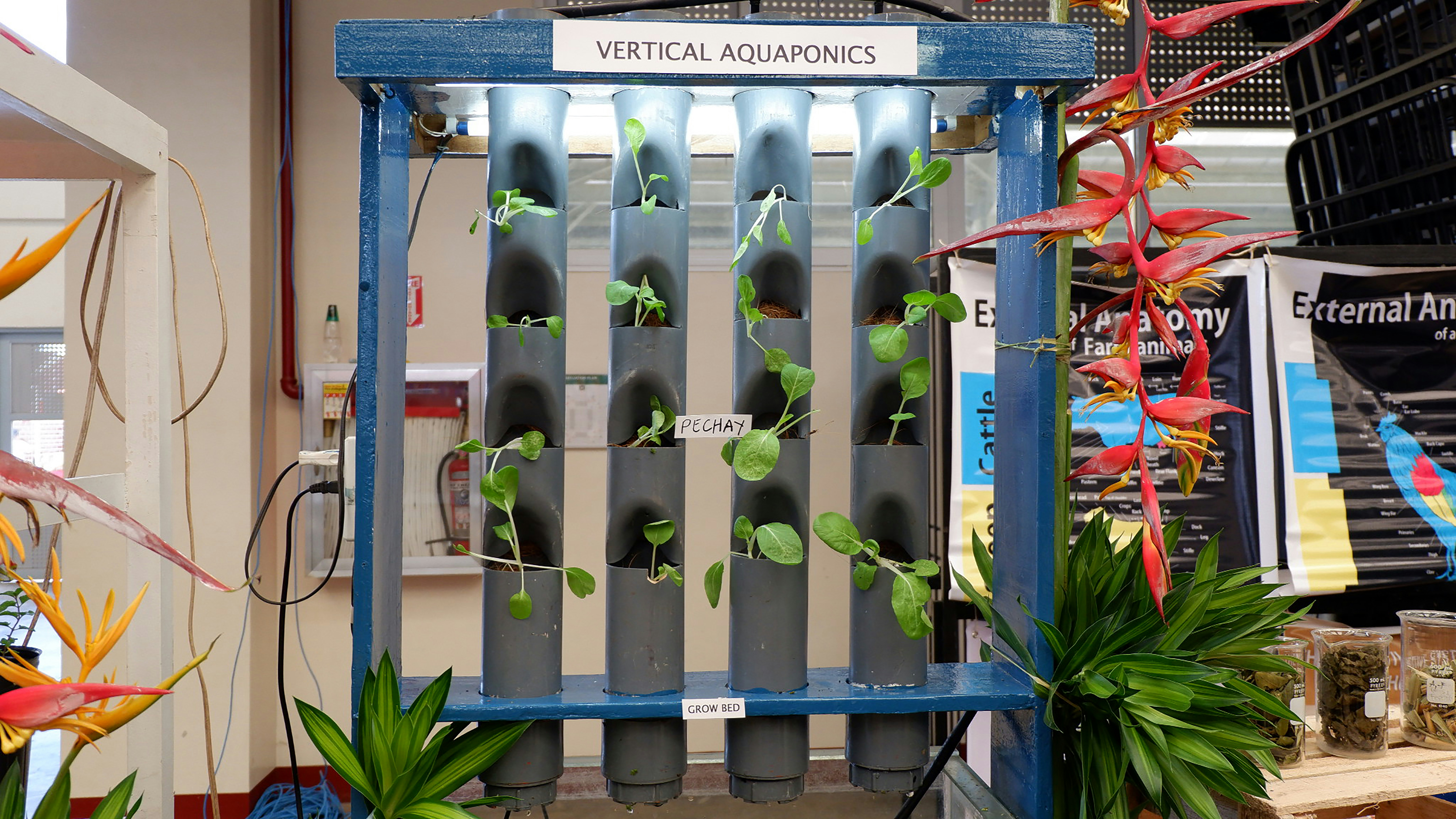
Vertical Container Gardening: Making the Most of Limited Space
If you’re working with tight spaces in your aquaponics setup, going vertical can be a game-changer. Instead of spreading out, you grow up—using walls, hangers, and stacked systems to get more growing area without sacrificing precious floor space.
I’ve found this approach really helps with sunlight exposure too. By positioning plants at different heights, you can catch light throughout the day that might otherwise hit just one flat surface. And honestly? Your plants will thank you for the better air circulation. When air can move freely through vertical setups, you’ll see fewer mold issues and less pest pressure—meaning less need for any interventions.
For vertical options, I like to keep it simple. Wall-mounted pockets or shelves work great for herbs and compact greens right near your back door. Hanging buckets or baskets add visual interest while saving floor space—perfect for strawberries or trailing herbs. If you’ve got room for something sturdier, a simple tiered stand made from scrap wood can hold larger plants like peppers or small tomato varieties.
The key with aquaponics is making sure your water flow works with gravity, not against it. Lightweight containers are essential here—you don’t want anything that’ll strain your mounting hardware. I’ve had good success using food-grade buckets or fabric pots mounted on simple frames, making sure the drain lines flow smoothly back to your sump or fish tank.
Railing Planters: Turning Wasted Space into Growing Space
Those balcony railings and fence lines? They’re prime real estate you’re probably not using. Railing planters transform these often-overlooked areas into productive growing zones while adding some greenery to your view.
When picking planters, I stick with lightweight but sturdy options—UV-resistant plastic or fiberglass works well. Avoid anything too heavy that could stress your railing over time. And don’t skip on drainage; a few holes in the bottom prevent water-logging that could hurt your plants or damage the railing itself.
Mounting is straightforward with most kits—just follow the manufacturer’s instructions for brackets or hooks. If you live somewhere windy, I’d recommend adding a safety cable or secondary support; better safe than sorry when you’ve got water-filled planters up high.
For what to grow, I’ve had luck with:
- Kitchen basics: basil, mint, parsley, chives
- Salad greens: leaf lettuce, arugula, spinach
- Compact varieties: dwarf peppers, bush cucumbers
Having these right outside your kitchen door makes harvesting stupidly convenient. No more trekking to the far corner of your yard for a handful of herbs while dinner’s on the stove.
Window Boxes: Bringing the Garden to Your Glass
If you’ve got sunny windows, window boxes are one of the easiest ways to start growing—no yard required. They sit right on your sill or hang just below, putting your plants where they’ll get maximum light.
I pay close attention to which way my windows face. South-facing windows get the most consistent light through the day—ideal for sun-lovers like basil or cherry tomatoes. East or west windows work too; you’ll just want to choose plants that handle partial shade, like mint, leafy greens, or certain pepper varieties.
Connecting these to your aquaponics system is simpler than you might think. I use a wicking system where a strip of fabric runs from the planter’s growing medium down into your nutrient-rich water. This gives plants constant access to water without drowning their roots. Just make sure whatever you’re growing in has good drainage—nobody likes soggy roots.
The maintenance is pretty minimal once it’s set up. I check the water level in my reservoir weekly and top off as needed. The plants themselves usually tell me when they’re thirsty—droopy leaves or light-colored pots are dead giveaways. Other than that, it’s mostly just enjoying watching things grow and snipping what you need for dinner.
Stackable Pots and Container Nurseries: Working Smarter, Not Harder
When every square inch counts, stackable systems make a lot of sense. These let you grow more varieties in the same footprint by taking advantage of vertical space—think of it like apartment living for your plants.
I’ve found these especially useful for starting seeds. Instead of juggling flimsy seed trays that dry out too fast, I use small fabric pots or cells in a stackable frame as a nursery. The seedlings stay right near my main system, soaking up that stable aquaponics humidity and temperature. When it’s time to move them to their final home? I just lift the whole pot out—no transplant shock, no messed-up roots.
What works well in these nursery setups? Pretty much anything you’d start from seed:
- Lettuce varieties (they’re fast and forgiving)
- Herbs (especially the slow ones like rosemary or lavender)
- Brassicas (broccoli, cauliflower, cabbage—get them started early)
- Warm-season crops (peppers, tomatoes for a head start on summer)
And here’s a pro tip: your main grow beds can double as nurseries too. If you’ve got shallow edges or corners with gentler flow, tuck in some small pots there. It’s using space that might otherwise go wasted, and the transition to the main bed is seamless when the time comes.
The best part about all these approaches? They’re not about buying expensive gear—they’re about looking at what you already have and asking, “How can I use this better?” A few zip ties, some scrap PVC, or repurposed containers can make a surprising difference in what you’re able to grow. Give one a try and see how it changes your space—and your harvest.
Leave a Reply