Benefits of Growing Herbs in Containers
Growing Herbs in Containers
Growing herbs in containers is a great option whether you’re brand new to gardening or you’ve been doing it for years. One of the biggest perks is how easy it is to move things around. If a plant needs more sunlight, you can just shift the pot. If the weather turns rough, you can move it somewhere protected. That kind of flexibility makes it easy to adjust your little garden as the seasons change or as different herbs need different conditions.
Containers are also perfect if you don’t have a lot of space. You don’t need a big yard to grow fresh herbs. A small patio, balcony, or even a sunny windowsill can work just fine. A few pots or a long planter box can give you plenty of room to grow things like basil or parsley. It’s a great way for people living in apartments or cities to enjoy gardening without needing a full garden bed. Container gardening can also be easier to reach and manage, which makes it a nice option for anyone who has trouble bending or working at ground level.
Another benefit is that you have a lot more control over the growing environment. Since everything is in a pot, you can choose exactly what kind of soil you use and make sure it drains well. Good drainage is especially important for herbs because too much water can cause root rot. When herbs are grown in containers, it’s usually easier to monitor moisture levels and add nutrients when needed. Because of that, many gardeners find their herbs grow healthier and more consistently.
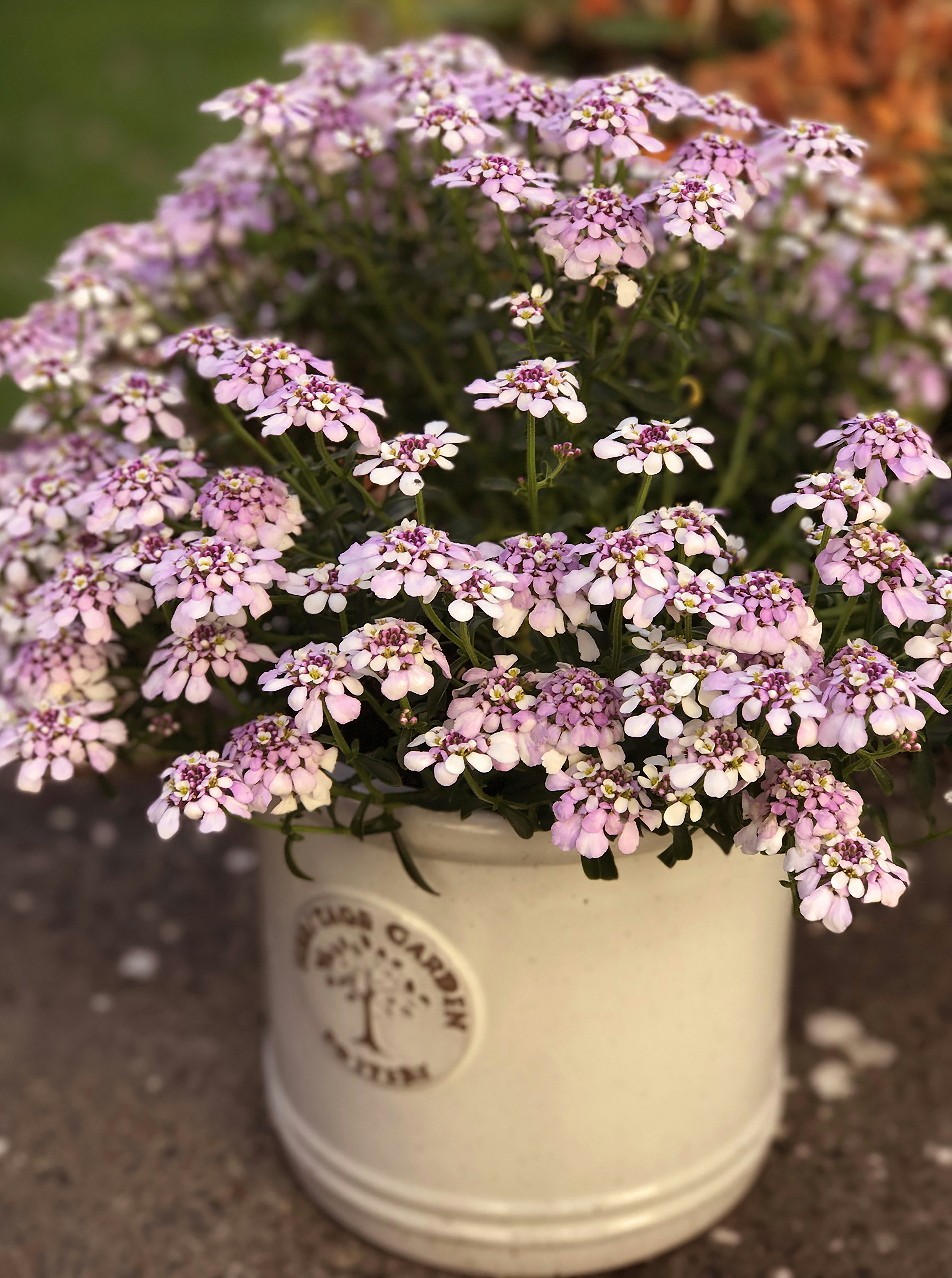
And honestly, container herbs just look nice. A collection of pots filled with bright green herbs can make a patio or porch feel like a mini garden. On top of that, herbs smell amazing. Having fresh basil, rosemary, or mint nearby adds a nice fragrance to your outdoor space—and of course, you can snip some whenever you’re cooking.
Choosing Containers and Finding the Best Spot
If you’re starting a container herb garden, picking the right containers is one of the first things to think about. The size of the pot matters more than people often realize. Herbs like basil, parsley, and rosemary need enough room for their roots to grow comfortably. A good general rule is to use pots that are about 6–12 inches wide for a single herb plant. If you’re planting several herbs together in a long planter, just make sure it’s deep enough so the roots have space.
The material of the container can make a difference too. Plastic pots are lightweight and tend to hold moisture well, which can be helpful in hot weather. Ceramic and terracotta pots look great and allow the soil to breathe a bit more, but they dry out faster, so you may need to water more often. No matter what type you choose, make sure the pot has drainage holes in the bottom. Without them, water can build up and cause the roots to rot. Using a good potting mix instead of regular garden soil will also help with drainage and give your herbs the nutrients they need.
Where you place your containers matters just as much as the pots themselves. Most cooking herbs need at least six hours of sunlight a day, so a sunny patio or a south-facing window usually works best. If your area gets strong winds, try to place your pots somewhere a little sheltered so the plants aren’t constantly getting battered. Grouping a few containers together can look nice and help create a cozy garden feel on a patio, balcony, or even a kitchen windowsill.
Picking the Right Herbs
Choosing which herbs to grow is one of the fun parts of starting a container garden. A good place to start is thinking about what you actually like to cook with. Herbs like basil, parsley, and cilantro are popular because they’re useful in lots of recipes and easy to harvest fresh whenever you need them. If you want to experiment a little, herbs like tarragon or lemon verbena can add some really interesting flavors to your cooking.
It’s also helpful to think about how big each herb tends to grow. Some herbs stay fairly compact and do well in smaller pots. Chives, oregano, and thyme are good examples. Others, like dill or rosemary, can get larger and usually do better in deeper containers where their roots have more space.
Another thing to consider is how different plants grow together. Some herbs actually benefit from being near certain plants. For example, basil is often grown near tomatoes because gardeners believe it improves the flavor and helps repel certain insects. Adding flowers like marigolds or nasturtiums can also attract beneficial insects that help keep pests under control.
If you’re new to gardening, it can be helpful to start with a few hardy herbs. Mint and chives are both pretty forgiving and tend to grow well even if you make a few beginner mistakes. Once you get the hang of things, you can branch out and try herbs like sage, oregano, or rosemary.
Taking Care of Container Herbs
Keeping container herbs healthy mostly comes down to a few simple habits. Watering is one of the biggest ones. Because containers hold less soil than a garden bed, they tend to dry out faster. It’s a good idea to check the soil regularly and water when the top inch feels dry. When you do water, give the plant a good soak until excess water drains out the bottom of the pot. That helps the roots grow deeper and stay healthy.
Herbs in containers also benefit from a little extra nutrition now and then. During the growing season, many gardeners add a balanced liquid fertilizer about every four to six weeks. Organic options like compost tea can work well too and help improve the soil over time.
Pruning is another simple trick that keeps herbs growing strong. Trimming your herbs regularly encourages them to grow fuller and bushier instead of tall and spindly. It can also delay flowering in some herbs, which is helpful because flowering sometimes changes the flavor of the leaves. A good rule is to trim back about a third of the plant every few weeks.
You’ll also want to keep an eye out for pests. Common ones include aphids and spider mites. If they show up, treatments like insecticidal soap or neem oil usually take care of the problem. Good airflow around your plants can also help prevent fungal issues.
Finally, timing matters. Most herbs are planted in the spring after the last frost. Once they start growing, you can harvest them throughout the season whenever the leaves are ready. With a little regular care, a container herb garden can provide fresh herbs for months—and it’s a pretty satisfying way to add flavor to your cooking.
Leave a Reply