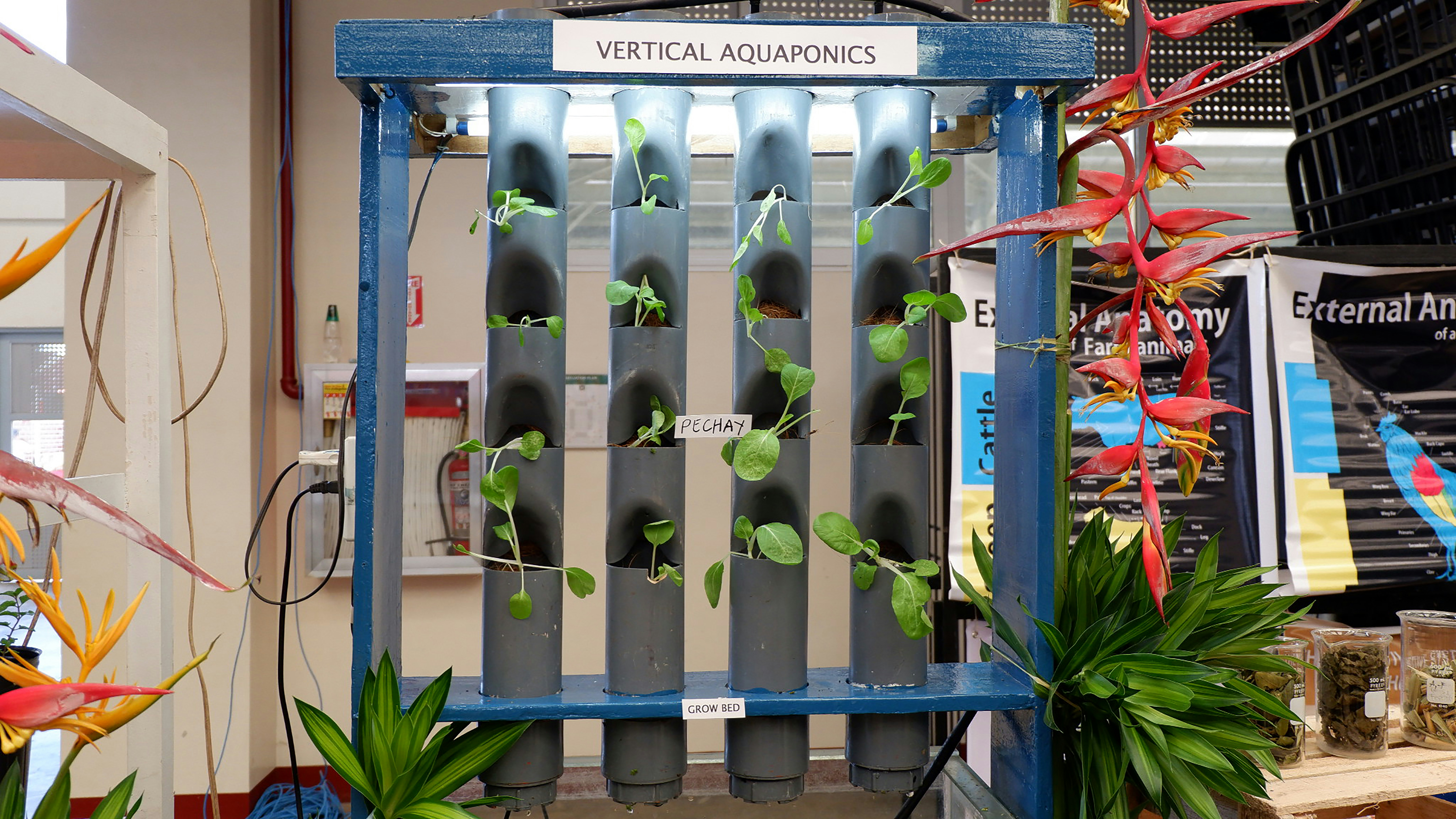
Understanding Aquaponics: An Overview
Aquaponics is basically a really cool way to grow food by teaming up fish and plants. You raise fish (that’s aquaculture) and grow plants in water instead of soil (that’s hydroponics), and the two help each other out. The fish produce waste, which might sound gross, but it’s actually great plant food. Then the plants clean the water before it goes back to the fish tank. It’s like a little self-contained ecosystem that keeps cycling over and over.
At the heart of it, aquaponics is all about balance. You’ve got to keep both the fish and the plants happy at the same time. When it’s running well, it uses way less water than traditional farming because the water just keeps getting reused. That’s a big deal, especially in places where water is scarce.
There are some nice environmental perks, too. Since you can set up an aquaponics system pretty much anywhere, food doesn’t have to travel as far to reach people. That means fresher produce and a smaller carbon footprint. You also don’t need chemical fertilizers or pesticides, because the fish waste does the fertilizing naturally. And from a business standpoint, it can be pretty appealing. You can grow a lot of high-quality food in a relatively small space, which is great whether you’re a backyard hobbyist or trying to start a small commercial operation.
Now, let’s talk money—because that’s usually the big question.
Initial setup costs: what you’re really paying for
Getting started with aquaponics isn’t free, and the total cost really depends on how big and fancy you want to go. At a minimum, you’ll need a fish tank, grow beds for the plants, pumps to move the water around, some kind of filtration system, plus fish and seedlings to get things going.
Tanks can cost anywhere from about $50 for something small and simple to several hundred dollars for larger or sturdier options. Pumps usually run between $30 and $200, depending on how powerful they are. Grow beds are all over the map—you could build your own from recycled materials to save money, or buy ready-made ones that might cost $100 to $500 or more.
Filtration is another piece of the puzzle. You can keep it basic, or invest in a more advanced system that might run anywhere from $150 to $800. Then there’s the living stuff: fish might cost $20 to $100 or more depending on the species and how many you buy, and seedlings are usually somewhere between $10 and $50.
One thing to keep in mind: bigger systems often make more financial sense over time. The upfront cost is higher, but the cost per unit of food you produce can be lower.
Ongoing costs: the stuff people forget about
Once everything’s set up, the bills don’t just disappear. You’ll still have regular expenses to think about.
Water is one. Aquaponics is efficient, but you’ll still lose some water to evaporation and plant uptake, so you’ll need to top it off occasionally. Depending on where you live and your local water rates, that can add up.
Electricity is another big one. Pumps, aerators, and sometimes heaters (especially if you live somewhere cold) all need power. In the winter, you might notice your energy bill creeping up if you’re heating the water for the fish.
Then there’s fish food. Good-quality feed isn’t free, and how much you need depends on the type of fish and how many you’re raising. It’s a steady, ongoing expense.
On top of that, you’ve got maintenance. Checking water quality, cleaning filters, making sure pumps are working—skip that stuff and you could end up paying for expensive repairs later. It’s not hard work, but it does require consistency.
Budgeting and actually making money
If you’re thinking about turning aquaponics into a business, you’ll want to get serious about your numbers. The startup costs can vary a lot depending on your setup, and your monthly expenses—electricity, water, fish feed, seeds—need to be tracked carefully.
On the income side, though, there’s real potential. Leafy greens, herbs, and certain fish species tend to sell well and can bring in solid margins if you price them right. The key is keeping quality high and building a customer base that trusts your product.
To figure out if it’s worth it financially, you’ll need to look at your return on investment (ROI)—basically, how much profit you’re making compared to what you put in. That means tracking everything: expenses, sales, seasonal changes, all of it. Over time, you’ll start to see patterns and can tweak your approach.
Marketing matters, too. Selling at local farmers’ markets, using social media, or offering community-supported agriculture (CSA) shares can help you stand out. People tend to love the sustainability angle, so don’t be shy about telling that story.
One last thing: patience. Aquaponics systems don’t usually turn into cash machines overnight. It can take months to hit full production. But if you stick with it and manage it well, it can absolutely pay off.
Leave a Reply