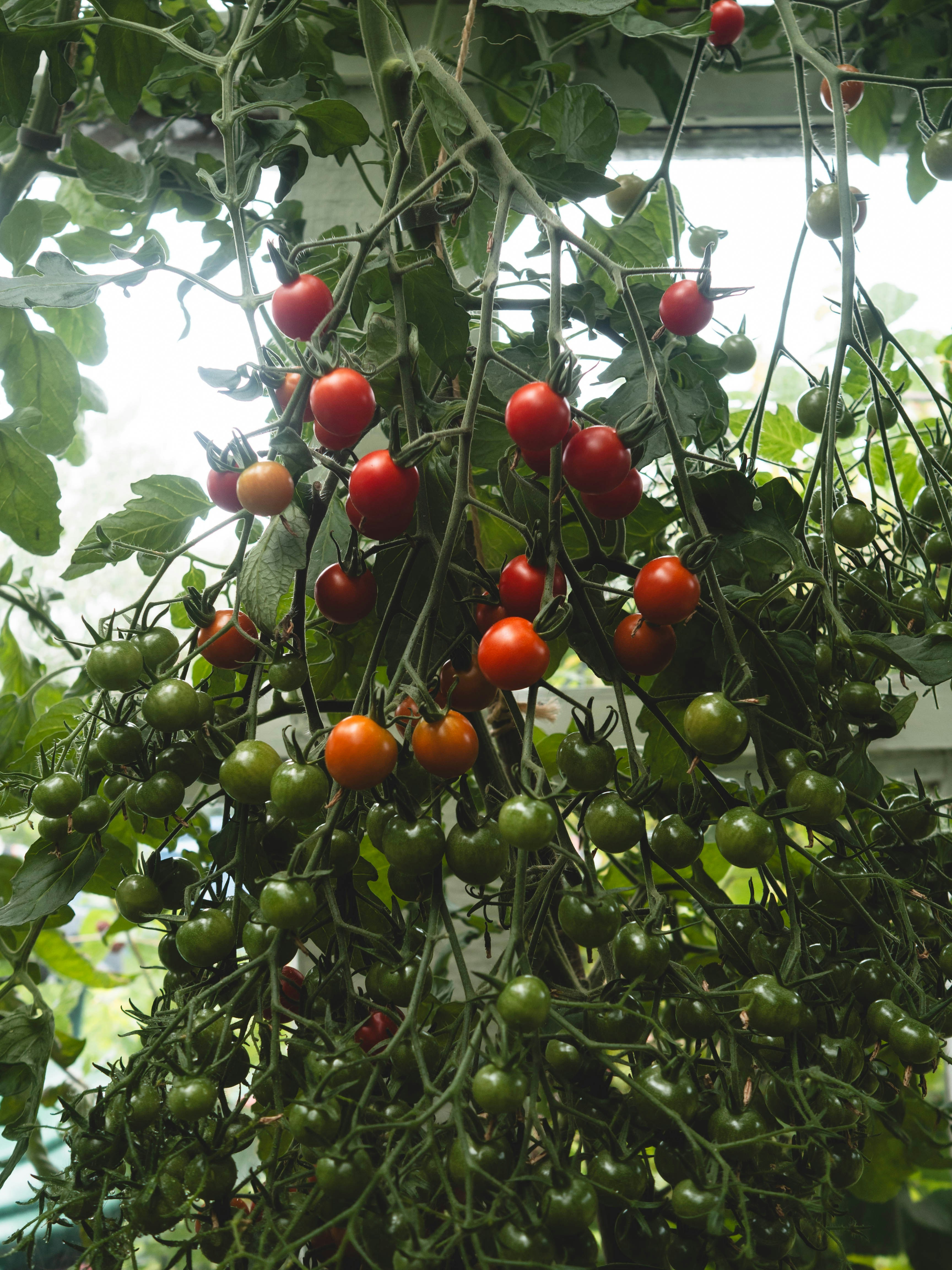
Understanding the Basics of Tomato Growth
Growing tomatoes can be a rewarding endeavor, but it requires an understanding of the fundamental conditions necessary for their successful cultivation. Firstly, tomatoes thrive in warm climates, with optimal growth occurring when temperatures range between 70°F to 85°F (21°C to 29°C) during the day and not falling below 55°F (13°C) at night. These temperature preferences emphasize the importance of selecting the right timing for planting to ensure the plants flourish.
The soil type also plays a significant role in tomato growth. Sandy loam soils are ideal as they provide excellent drainage while retaining sufficient moisture and nutrients. The soil pH should ideally fall between 6.0 and 6.8, as this range promotes nutrient availability. Incorporating organic matter, such as compost, can enhance soil quality, thus fostering an environment conducive to healthy tomato plants.
Sun exposure is another critical factor; tomatoes require a minimum of six hours of direct sunlight each day for optimal growth. Insufficient light can lead to weak stems and poor fruit production. Therefore, carefully selecting a planting location that receives ample sunlight is essential. Additionally, the moisture levels must be balanced. While tomatoes require consistent watering, excessive moisture can lead to root rot, making proper drainage essential.
Moreover, different varieties of tomatoes can be grown, each with unique characteristics. Indeterminate varieties, such as ‘Better Boy’ and ‘Sun Gold’, continue to grow throughout the season, producing fruit until frost. Conversely, determinate varieties, which include ‘Roma’ and ‘Celebrity’, grow to a specific height and produce fruit all at once. Understanding these distinctions enables gardeners to select the best varieties suited to their growing conditions and personal preferences in flavor and use.
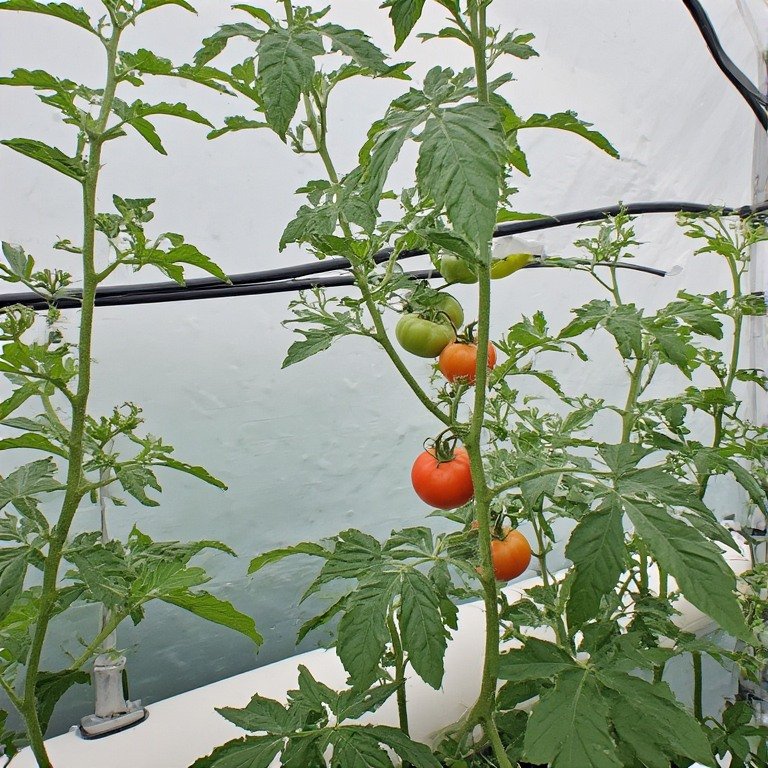
Choosing the Right Tomato Varieties
When considering how you can grow tomatoes successfully, one of the first steps is selecting the right tomato varieties suited to your gardening conditions. The main categories to explore are determinate and indeterminate tomatoes, as well as heirloom and hybrid varieties. Each type has unique characteristics that can affect their growth and performance.
Determinate tomatoes tend to grow to a certain height and produce their fruit all at once, making them ideal for gardeners looking to harvest quickly for purposes such as canning or making sauces. On the other hand, indeterminate varieties will keep growing and producing fruit throughout the season, offering a continuous supply of fresh tomatoes for eating. This factor is crucial: if you aim for a steady harvest, indeterminate tomatoes may be your best choice.
Heirloom varieties are prized for their rich flavors and historical significance, often passed down through generations. They can come in both determinate and indeterminate types. However, they may require more attention in terms of disease control, as they are typically less resistant than hybrids. Hybrids are bred specifically for traits such as increased yield, disease resistance, or improved flavor, making them a favorable option for beginners or those in less-than-ideal growing conditions.
Climate and duration of the growing season are also vital factors when choosing your tomato plant varieties. In regions with a shorter growing season, varieties like ‘Early Girl’ or ‘Stupice’ can be particularly advantageous. Conversely, if you enjoy long summers, consider ‘Brandywine’ or ‘Cherokee Purple’ for their unforgettable taste. By considering your specific climate and intended use, you can greatly enhance your tomato cultivation experience.
Cultivation Techniques for Healthy Tomato Plants
Growing tomatoes can be a rewarding endeavor, achievable through various cultivation techniques. A fundamental decision is whether to start from seeds or seedlings. While starting from seeds allows for greater variety and control, using seedlings can significantly hasten the harvesting time. Regardless of the method chosen, specific factors must be considered to ensure successful growth.
One critical aspect is the planting depth. Tomato plants should be buried deep enough so that part of the stem is in the soil, enabling the roots to develop more efficiently. For in-ground planting, spacing is essential; typical recommendations suggest allowing at least 18 to 24 inches between plants. For container gardening, selecting appropriately sized pots is crucial—five-gallon containers are generally considered sufficient for individual tomato plants.
A supportive structure is also vital for healthy tomato plants, particularly as they grow heavy with fruit. Utilizing cages or stakes can enhance the stability of the plants, preventing breakage and ensuring better airflow, which is essential for reducing diseases. Additionally, maintaining a consistent watering schedule is imperative. Tomatoes thrive on deep, infrequent watering, which encourages deep root development. Consistent moisture levels can help prevent blossom end rot, a common issue faced by gardeners.
Pest management is another critical concern in tomato cultivation. Early detection of pests such as aphids or spider mites and implementing organic solutions can safeguard plant health. Further, regular pruning can improve air circulation and light penetration, which aides in healthy growth. Finally, understanding the nutrient needs of tomatoes—including the importance of balanced fertilizers—will support vigorous growth and productivity. By addressing these various cultivation aspects, the question, “Can you grow tomatoes?” can be affirmatively answered with well-tended plants that offer bountiful fruit.
Harvesting and Enjoying Your Tomatoes
Understanding when to harvest tomatoes is essential to ensure you obtain fruits that are not only ripe but also deliver optimal flavor. Tomatoes can be picked as they begin to change color, usually from green to a shade of pink, red, or yellow, depending on the variety. It’s important to handle the fruits gently during this process to avoid bruising; support the stem while twisting the tomato off the vine instead of pulling. Ideally, tomatoes should be harvested in the early morning, as they will retain their sweetness and flavor.
Once you have successfully grown and harvested your tomatoes, consider curing them to enhance their storage life. Place your tomatoes in a single layer in a cool, well-ventilated area, avoiding direct sunlight. This curing process helps to develop their flavor profile further. When storing your harvested fruits, opt for a cool, dry place and avoid refrigeration as cold temperatures may affect their texture and taste.
Homegrown tomatoes offer a plethora of culinary opportunities. They can be sliced fresh and incorporated into salads, sandwiches, or salsas. Alternatively, you might want to consider roasting or grilling them, which brings out their natural sweetness. For those interested in longer-term use, you can also can, dry, or freeze your tomatoes, providing a delightful taste of summer throughout the year.
Ultimately, nurturing your own tomato plants and enjoying their fruits brings a unique satisfaction that store-bought produce cannot replicate. By growing tomatoes yourself, you foster a connection with your food and appreciate the fresh flavors they provide. The journey from seed to harvest can be immensely rewarding, encouraging you to explore various recipes and incorporate your homegrown tomatoes into your daily meals.
Leave a Reply