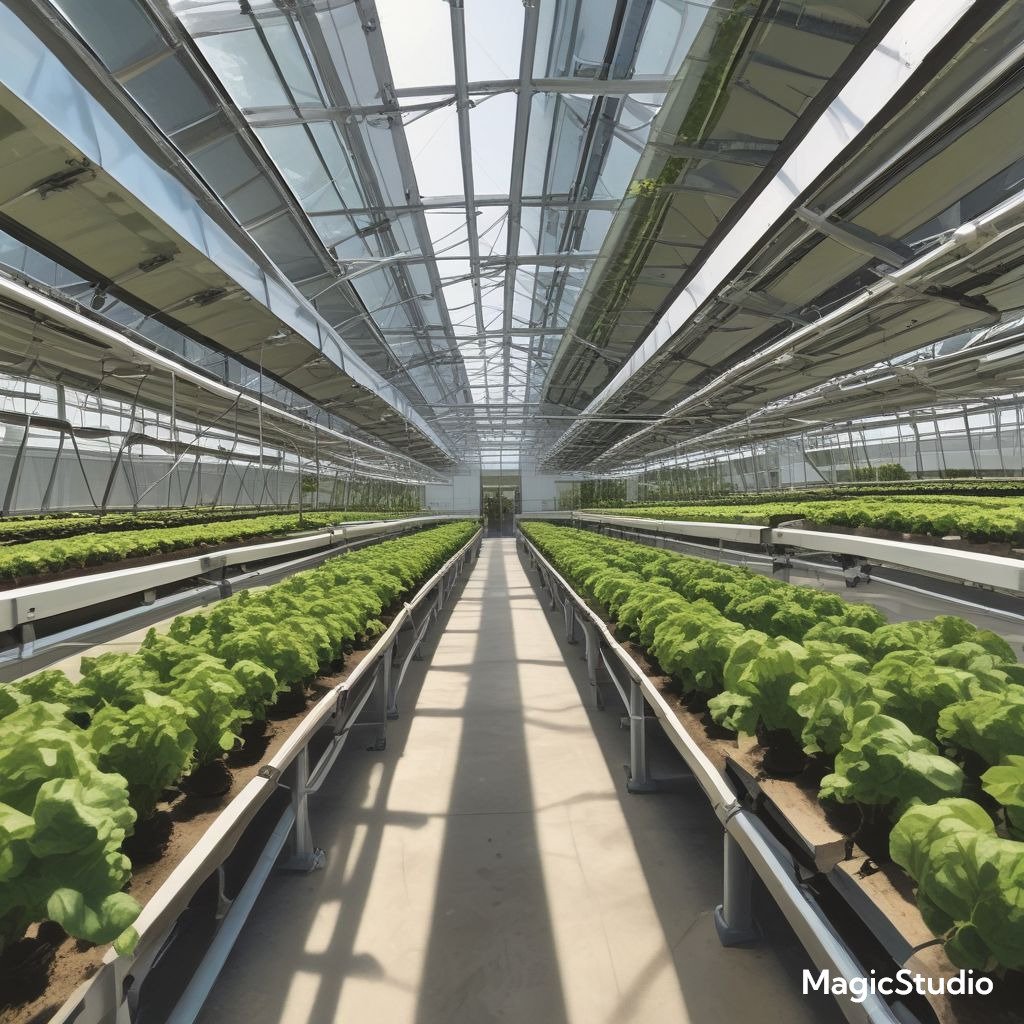
Aeroponics vs Hydroponics: Key Differences and Which is Right for You
If you’ve ever wondered how to grow lush, healthy plants without soil, you’ve likely come across both hydroponics and aeroponics. These two soilless farming techniques share a common goal—delivering nutrients directly to plant roots—but they do it in distinctly different ways. Understanding those differences can help you pick the method that best fits your space, budget, and gardening style.
What Is Hydroponics?
Hydroponics grows plants in a nutrient-rich water solution, often supported by an inert medium like perlite, coconut coir, or gravel. The roots sit in the solution or are periodically flooded with it, allowing them to absorb water, oxygen, and essential minerals. Because the environment is controlled, hydroponic systems can produce faster growth and higher yields than traditional soil gardening, while using significantly less water—about 70 liters to grow a kilogram of tomatoes compared to over 200 liters in field agriculture.
What Is Aeroponics?
Aeroponics takes the soilless concept a step further. Instead of submerging roots in water, the plant hangs in a chamber where its roots are misted with a fine nutrient spray. The roots remain mostly exposed to air, which provides abundant oxygen. This mist‑delivery method uses even less water than hydroponics—around 20 liters per kilogram of tomatoes—and can promote rapid root development and nutrient uptake.
Key Differences
• Water Usage: Aeroponics wins on water efficiency, using roughly one‑third the water of hydroponics.
• Setup Complexity: Hydroponic systems are generally simpler to build and maintain, especially for beginners. Aeroponics requires precise misting nozzles, timers, and a sealed root chamber to prevent drying out.
• Cost: Basic hydroponic setups can be assembled inexpensively with buckets and pumps. Aeroponics often demands higher‑quality misting equipment and sensors, raising the initial investment.
• Plant Suitability: Both methods work well for leafy greens, herbs, and many fruiting crops. However, plants with large root systems (like some root vegetables) may struggle in aeroponic chambers unless the design accommodates them.
• Maintenance: Hydroponics calls for regular monitoring of nutrient strength and pH, plus occasional cleaning of reservoirs. Aeroponics demands vigilant nozzle maintenance to avoid clogs and ensure consistent mist distribution.
Which Is Right for You?
Choose hydroponics if you’re new to soilless gardening, want a straightforward, low‑cost entry point, or plan to grow a variety of crops in a modest space. Opt for aeroponics if you’re eager to maximize water savings, enjoy tinkering with high‑tech gear, and have the budget for a more sophisticated system. Both methods reward careful attention with faster harvests and cleaner produce—so whichever you pick, you’re stepping into the future of efficient, sustainable farming.
Leave a Reply