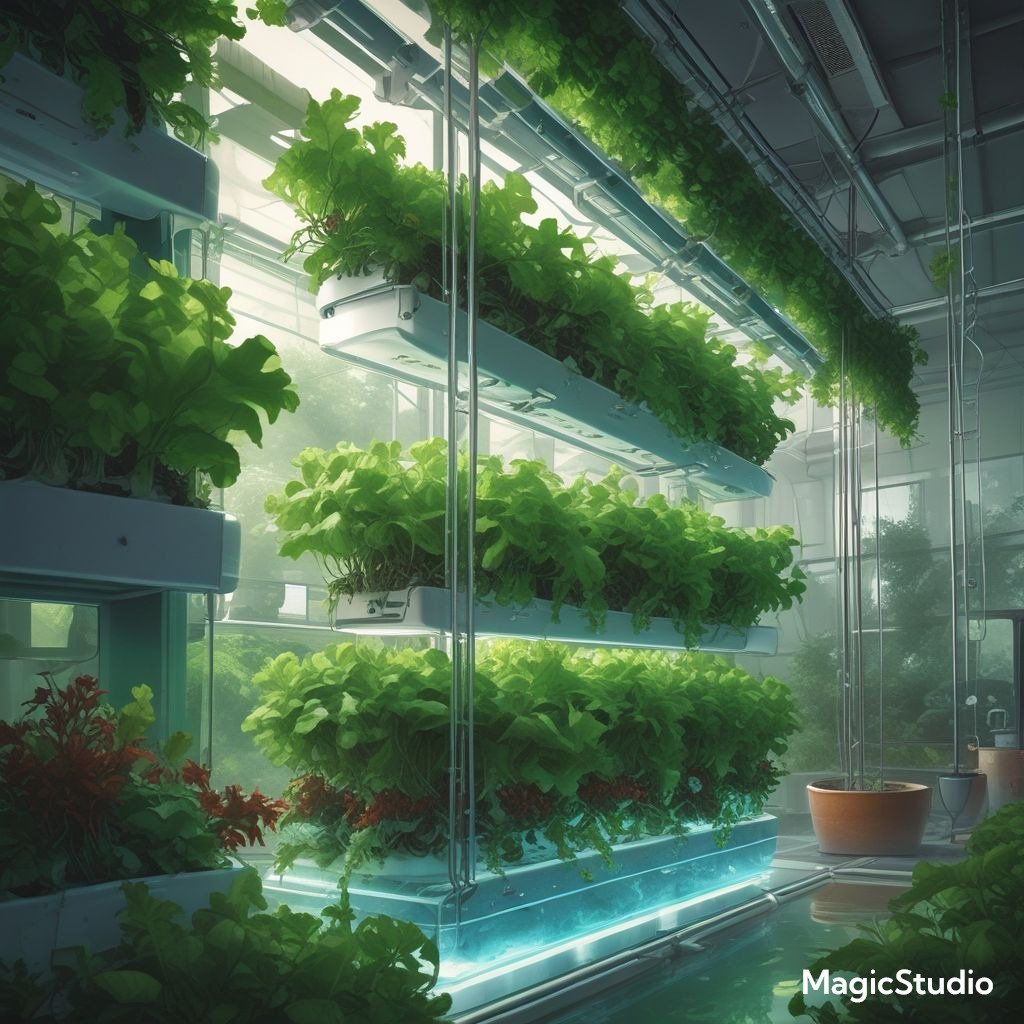
Advanced techniques for growing bigger plants
Hydroponic gardening already gives you faster growth and higher yields by delivering nutrients directly to the roots. But to really push your plants to their limit, you need to shape them. Training techniques like Low‑Stress Training (LST), topping, and fimming help you control plant architecture, increase bud sites, and ultimately boost your harvest.
Low‑Stress Training (LST)
LST is all about gently bending and tying down stems to create an even canopy. Because hydroponic setups often give you vertical space, you can spread plants out horizontally to expose more leaves to light. The process is simple: when the plant has a few nodes, tie the main stem down to the edge of the container using soft plant tape or a small hook. As new growth emerges, continue to tie it down so the plant grows wide rather than tall. The result? More bud sites receive direct light, and you avoid the stress that can stunt growth.
Topping
Topping means cutting off the tip of the main stem to force the plant to split into two main colos. In hydroponics, where you control the environment, topping can be done early—usually after the plant has developed 3‑5 nodes. Use a clean, sharp scissors and make the cut just above a node. The plant will redirect energy to the two side shoots, which become the new dominant stems. This technique is especially useful if you notice your plant stretching too tall for your grow tent or light footprint.
Fimming
Fimming (a playful twist on pinching) removes about 75 % of the tip, leaving a small nub. This often results in three or four new shoots instead of just two. Because the cut is less severe than a full top, the plant recovers quickly, making it a favorite for hydroponic growers who want to maximize branching without slowing growth too much. After a few days, you’ll see multiple new shoots emerge, each capable of producing a cola.
Putting It All Together
Start with LST early in vegetative stage to lay the foundation of an even canopy. Once the plant responds well, you can top or fim to multiply the number of main stems. Keep an eye on nutrient levels—hydroponic plants react fast, so after any training step, check your EC and pH to ensure they stay within the optimal range. With a little practice, you’ll see denser, more uniform growth and a noticeable bump in yield at harvest time.
Remember, every strain reacts differently. Keep a journal of what you do and how the plant responds, and you’ll soon dial in the perfect training routine for your hydroponic garden.
Leave a Reply