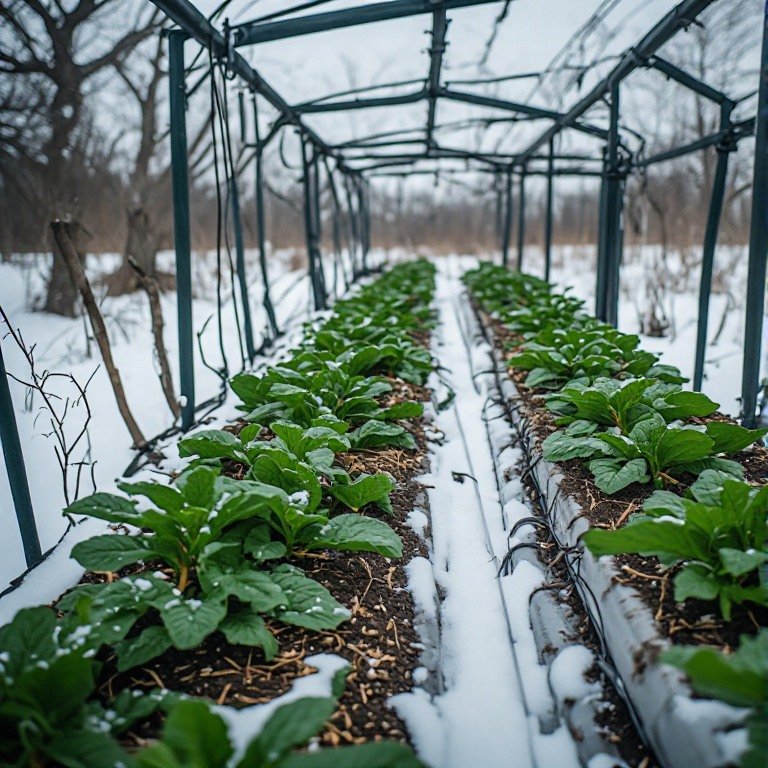
When Jack Frost starts nipping at your nose, you don’t have to say goodbye to fresh herbs and crisp lettuce. Hydroponics lets you grow food indoors all winter long, turning a spare closet, basement shelf, or sunny windowsill into a mini‑farm that defies the cold.
Why Hydroponics Shines in Winter
Soil can freeze, become waterlogged, or just plain unusable when the temperature drops. With hydroponics, plant roots sit in a nutrient‑rich water solution, so they get exactly what they need regardless of what’s happening outside. Because you control light, temperature, and humidity, you can create a perfect spring‑like microclimate even while snow piles up.
Picking the Right System for a Small Space
If you’re tight on room, a simple deep‑water culture (DWC) bucket or a nutrient‑film technique (NFT) tray works beautifully. Both are lightweight, inexpensive, and easy to set up on a shelf. If you want a little more buffer against temperature swings, an ebb‑and‑flow (flood‑and‑drain) system with a timer adds a bit of thermal mass while still being compact.
Lighting: Your Indoor Sun
Winter days are short, and the weak sunlight that does make it through the window isn’t enough for most edibles. Full‑spectrum LED grow lights are the go‑to choice—they’re efficient, run cool, and can be tuned to the red‑blue spectrum plants love. Aim for 12–16 hours of light per day, hanging the fixture 12–18 inches above the canopy, and raise it as your plants grow.
Keeping Things Warm and Humid
Most hydroponic crops thrive between 65–75 °F (18–24 °C). A small space heater with a thermostat or a seed‑starting heat mat under the reservoir keeps the nutrient solution from getting too chilly. Humidity around 50–60 % prevents leaves from drying out; a tabletop humidifier or a occasional misting does the trick.
Feeding Your Plants When It’s Cold
Cold slows down how fast roots pull up nutrients, so you might need to bump the electrical conductivity (EC) a touch—think 1.8–2.2 mS/cm for leafy greens. Keep the pH steady between 5.5 and 6.5 to ensure nutrients stay available. Refresh the solution every one to two weeks to avoid salt buildup.
Air Flow and CO₂
A gentle breeze from a low‑speed oscillating fan strengthens stems and helps deter mold. If you want to give growth a little extra push, a CO₂ supplement can boost photosynthesis, but stay below 1,200 ppm for safety in a home setting.
Pest Watch, Even Indoors
Even the cleanest grow tent can attract aphids, spider mites, or whiteflies. A weekly leaf‑by‑leaf inspection catches problems early. Neem oil, insecticidal soap, and yellow sticky traps are effective, organic remedies. Removing dead foliage and keeping the area clean reduces disease pressure.
Harvesting for a Continuous Supply
Cut leafy greens just above the base, leaving the center intact so they keep producing. Snip herbs just above a leaf node to encourage bushier growth. After each harvest, start a new batch of seedlings in a separate tray so you always have something ready to pick.
Embrace the Indoor Garden
Winter hydroponics isn’t just about surviving the cold—it’s about thriving. With a bit of planning, you can enjoy fresh, home‑grown salads, fragrant herbs, and even compact strawberries while the world outside is blanketed in snow. Set up your system, dial in the lights, and let your indoor garden keep growing all season long.
Leave a Reply