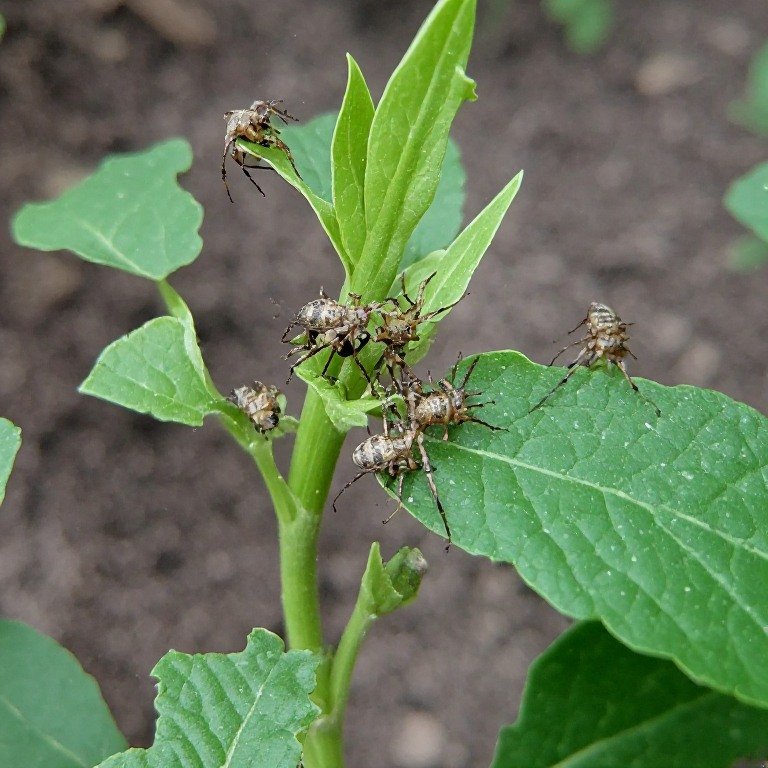
Hydroponic gardening feels like a win‑win: you get faster growth, tighter control over nutrients, and far fewer soil‑borne diseases. But the moment you step into a grow room, you’re also inviting a different set of uninvited guests—tiny insects that love the lush, humid environment just as much as your plants do. The good news? You can keep those pests at bay without reaching for synthetic chemicals. Below is a practical, down‑to‑earth guide to the most common hydroponic pests and the organic tools that actually work.
Aphids – The Sap‑Sucking Hitchhikers
What they look like
Small, pear‑shaped bugs that can be green, yellow, black, or even pink. Some have wings; others don’t. They cluster on new growth, undersides of leaves, and around flower buds.
Why they’re trouble
Aphids pierce plant tissue and suck out sap, weakening the plant and leaving behind sticky honeydew. That honeydew invites ants and can foster sooty mold. Worse, aphids are efficient vectors for plant viruses, moving disease from one host to another in a single feeding bout.
Organic fixes
- Insecticidal soap – A simple potassium‑salt‑based spray breaks down the aphid’s waxy coating, causing dehydration. Spray thoroughly, especially under leaves, and repeat every 5‑7 days until you see no new colonies.
- Water blast – A strong (but gentle) spray of water knocks aphids off the plant. Do this early in the day so foliage can dry and you don’t invite fungal issues.
- Beneficial insects – Ladybugs and lacewings are voracious aphid predators. Release a handful per square foot; they’ll stick around as long as there’s prey.
- Neem oil – Works as a feeding deterrent and growth regulator. Mix according to label, coat leaf surfaces, and reapply weekly.
Prevention tip
Avoid over‑feeding with high‑nitrogen synthetic fertilizers—soft, fast‑growing tissue is aphid candy. Stick to balanced organic nutrients and keep the grow room clean; aphids love to hitchhike on dirty tools or clothing.
Spider Mites – The Mini‑Web Spinners
What they look like
Tiny (about the size of a pin‑head) arachnids that can be reddish, pale green, or yellow. You’ll often notice fine webbing on stems and leaf undersides before you see the mites themselves.
Why they’re trouble
Spider mites pierce plant cells and suck out the contents, leaving a stippled, yellow‑speckled appearance. Heavy infestations cause leaf bronzing, leaf drop, and stunted growth. Because they reproduce quickly in dry, warm conditions, a small problem can explode in days.
Organic fixes
- Humidity control – Keep relative humidity around 50‑60 %. Spider mites despise moist air, while most hydroponic crops thrive in that range. A simple humidifier or regular misting (avoiding waterlogged media) makes a big difference.
- Neem oil – Disrupts mite feeding and reproduction. Apply to the undersides of leaves where they hide, and repeat every 5‑7 days.
- Wettable sulphur – Effective against mite eggs and immature stages. Use as a dust or spray, following label rates; avoid applying in high heat (> 85 °F) to prevent leaf burn.
- Pyrethrin – Derived from chrysanthemum flowers, pyrethrin knocks down adult mites on contact. It breaks down quickly in light and heat, leaving minimal residue. Remember: pyrethrin ≠ synthetic pyrethroids; the latter are not organic and can harm beneficial insects.
- Predatory mites – Species like Phytoseiulus persimilis hunt spider mites. Release them early in the infestation cycle for best results.
Prevention tip
Inspect new clones or seedlings before they enter your system. A quick dip in a mild neem‑oil solution can knock off any hitchhikers. Keep airflow gentle but consistent—stagnant, dry pockets are mite sanctuaries.
Whiteflies – The Tiny, Powdery Nuisances
What they look like
Small, moth‑like insects with a white, waxy coating. They flutter up when you disturb the plant and love to congregate on leaf undersides.
Why they’re trouble
Like aphids, whiteflies feed on sap and excrete honeydew, encouraging sooty mold. They also transmit several plant viruses, especially in warm, humid environments.
Organic fixes
- Yellow sticky traps – Whiteflies are attracted to the color yellow. Hang traps just above the canopy to catch adults and monitor population trends.
- Neem oil – Interferes with whitefly molting and feeding. Spray leaf undersides thoroughly.
- Insecticidal soap – Works on the nymph stage; apply every 4‑5 days.
- Parasitic wasps – Encarsia formosa and Eretmocerus eremicus lay eggs inside whitefly nymphs, effectively turning the pest into a nursery for the next generation of predators.
Prevention tip
Remove any fallen leaves or plant debris promptly—whiteflies love to lay eggs in decaying material. Sanitize tools and trays between crops.
Thrips – The Slender, Speedy Scrapers
What they look like
Tiny, slender insects that can be yellow, brown, or black. They love to hide in buds, flowers, and tight leaf crevices.
Why they’re trouble
Thrips rasp at plant cells, leaving silvery streaks, distorted growth, and black fecal specks. They can also transmit tospoviruses, which devastate many hydroponic crops (especially lettuce and herbs).
Organic fixes
- Blue or yellow sticky traps – Thrips are drawn to these colors; place traps near the canopy.
- Neem oil – Acts as a feeding deterrent and reduces egg viability.
- Pyrethrum – The natural pyrethrin extract from chrysanthemums provides quick knockdown; use in rotation with neem to avoid resistance.
- Physical barriers – Fine mesh or nylon netting over the grow area can keep thrips from entering, especially if you have outdoor ventilation.
- Sanitation – Remove and destroy any heavily infested buds or flowers; thrips lay eggs in plant tissue, so eliminating those sites breaks the life cycle.
Prevention tip
Keep nitrogen levels moderate—excessive soft growth invites thrips. Regularly scout the undersides of leaves and flower buds with a 10× hand lens.
Mealybugs – The Cottony Clingers
What they look like
Small, oval insects covered in a white, waxy filament that looks like tiny cotton balls. They often congregate in leaf axils, on stems, and around the base of the plant.
Why they’re trouble
Mealybugs suck sap and excrete honeydew, leading to mold and ant farming. Their waxy coating makes them resistant to many sprays, and they can hide in tight spaces where sprays don’t penetrate well.
Organic fixes
- Isopropyl alcohol swabs – Dip a cotton swab in 70 % isopropyl alcohol and dab directly on the bugs. The alcohol dissolves the wax and kills the insect on contact. Test on a small leaf area first to ensure no phytotoxicity.
- Neem oil – Works best on the crawler (nymph) stage; repeat weekly.
- Pyrethrin – Effective against mobile nymphs and adults when coverage is good.
- Beneficial predators – Ladybugs and lacewings will snack on mealybug eggs and young nymphs.
Prevention tip
Avoid over‑watering and over‑fertilizing—soft, lush tissue is a mealybug magnet. Keep the grow area clean; remove any plant debris where they could hide.
Fungus Gnats – The Root‑Munching Flies
What they look like
Adults are tiny, dark flies that hover around the media surface. Larvae are translucent, legless maggots that live in the moist top layer of the growing medium and feed on roots and organic matter.
Why they’re trouble
While the adults are mostly a nuisance, the larvae chew on fine root hairs, reducing nutrient uptake and making plants more susceptible to disease. Heavy larval populations can cause wilting, yellowing, and stunted growth.
Organic fixes
- Hydrogen peroxide drench – Mix 1 part 3 % H₂O₂ with 4 parts water and apply to the growing medium. It releases oxygen, killing larvae while leaving beneficial microbes largely unharmed. Use sparingly (once every 10‑14 days) to avoid root stress.
- Neem oil – Effective against adult flies and can suppress egg laying. Spray the media surface and the lower canopy.
- Insecticidal soap – Knocks down adults when sprayed on the media surface.
- Sticky traps – Yellow traps placed at media level capture flying adults, helping you monitor and reduce the population.
- Biological control – Steinernema feltiae nematodes are parasitic to fungus gnat larvae; apply as a drench according to label.
Prevention tip
Let the top layer of media dry slightly between waterings—fungus gnats thrive in constantly wet conditions. Remove any decaying plant matter promptly, and consider adding a thin layer of perlite or vermiculite on top to deter egg laying.
Putting It All Together – A Proactive Routine
- Scout weekly – Flip leaves, check stems, and glance at the media surface with a hand lens. Early detection saves you from a full‑blown outbreak.
- Keep it clean – Sterilize tools, trays, and containers between crops. Remove dead plant material immediately.
- Manage the environment – Moderate humidity (50‑60 %) deters spider mites; good airflow prevents stagnant, dry pockets.
- Use barriers – Fine mesh over intake vents and sealed doors keep winged pests from wandering in.
- Rotate your tools – Don’t rely on a single spray every time. Alternate neem oil, insecticidal soap, and pyrethrin (or pyrethrum) to reduce the chance of resistance buildup.
- Invite the good guys – Release ladybugs, lacewings, predatory mites, or parasitic wasps at the first sign of trouble. They’re your living pest‑control crew.
Final Thoughts
Hydroponics gives you incredible control over plant nutrition and growth speed, but it doesn’t make you immune to nature’s tiny opportunists. By understanding each pest’s habits and leaning on organic, low‑toxicity tools—neem oil, insecticidal soap, pyrethrin, sticky traps, and beneficial insects—you can protect your garden without compromising the clean, sustainable ethos that drew you to hydroponics in the first place.
Stay observant, act quickly, and let your plants do what they do best: grow strong, healthy, and pest‑free. Happy growing!
Leave a Reply