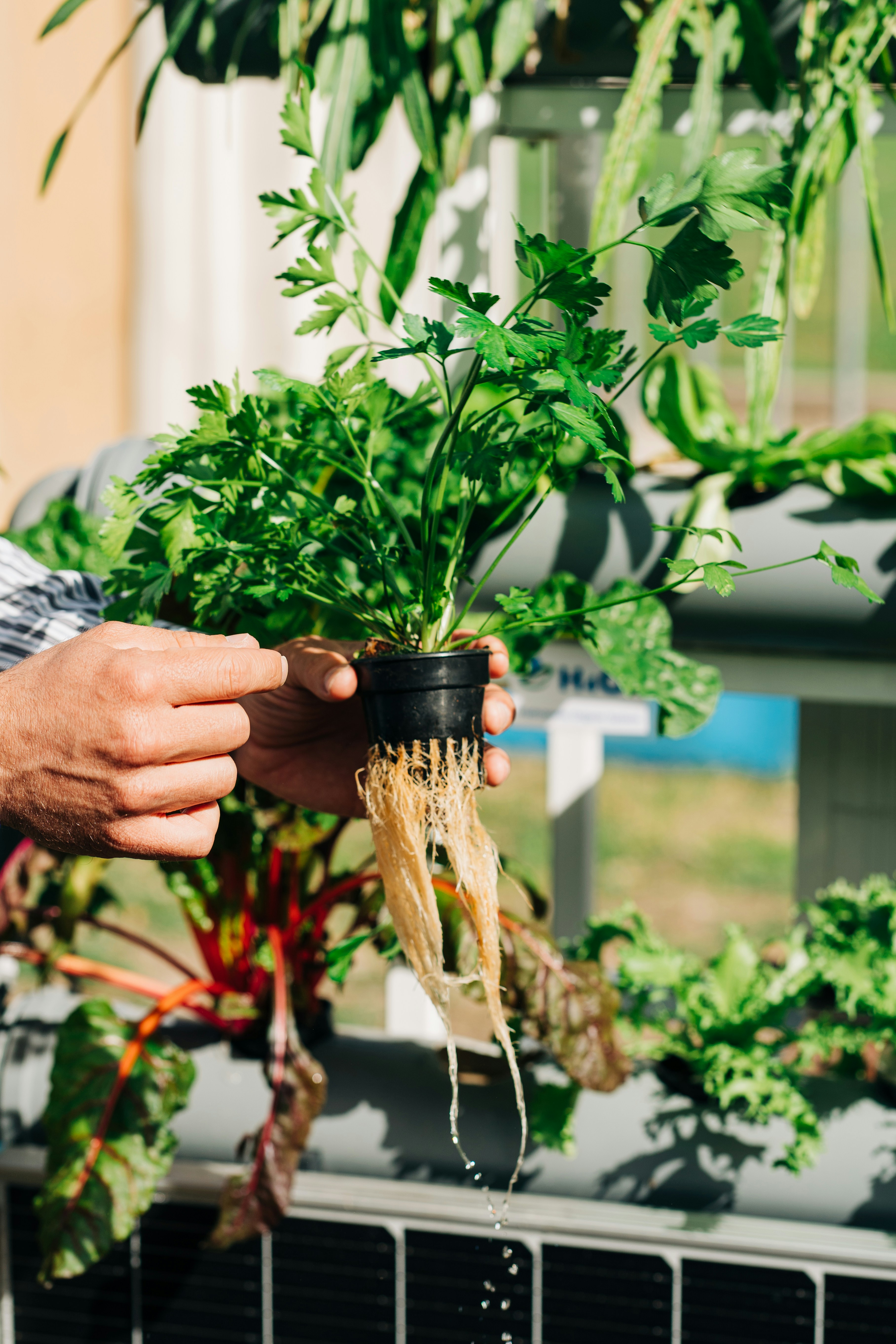
Understanding Deep Water Culture Hydroponics
Deep water culture (DWC) is a favorite hydroponic method where plant roots hang out in a nutrient‑rich water bath instead of soil. Because the roots are constantly dunked in water and nutrients, they get exactly what they need, when they need it—no digging, no guessing.
The trick is keeping the water well‑oxygenated. Even though the roots are submerged, they still need air to breathe. That’s why most DWC setups include an air pump pushing bubbles through air stones at the bottom of the tank. Those bubbles keep the solution aerated, ward off root rot, and keep the plants happy.
What Grows Best in DWC?
Leafy greens—think lettuce, spinach, and kale—thrive because they can slurp up nutrients fast. Herbs like basil and cilantro also love the constant feed. Fruiting plants (tomatoes, peppers, strawberries) can work too, but they demand a bit more fine‑tuning of nutrients and oxygen to stay productive.
How DWC Stacks Up Against Other Hydroponic Systems
Compared to nutrient film technique (NFT) or drip systems, DWC is wonderfully simple. You’re basically maintaining a steady pool of nutrient solution, which makes it easier for beginners while still giving experienced growers reliable results. The constant water level means less fluctuation and a more stable root environment.
Setting Up Your DWC System – Step by Step
- Pick a Reservoir
Choose an opaque, food‑grade plastic container sized for how many plants you want. Light‑proof walls stop algae from throwing a party in your nutrient mix. - Add Net Pots
Drop net pots into holes cut in the lid. They’ll hold your plants while the roots dangle down into the water. Make sure the pots are big enough for the root systems you’re expecting. - Oxygenate the Water
Hook up an air pump to one or more air stones and place them at the bottom of the tank. A steady stream of bubbles keeps the solution rich in oxygen—critical for preventing root rot. - Mix the Nutrients
Use a hydroponic‑specific nutrient formula that contains all the macro‑ and micro-nutrients plants need. Follow the label for concentration, then check and adjust it regularly. - Location & Light
Set the system where it gets plenty of light. If natural sun isn’t enough, full‑spectrum LED grow lights do a great job. Also test your water source—aim for a pH between 5.5 and 6.5. - Routine Care
Keep an eye on water level (top off as it evaporates), pH, and temperature. A quick daily check helps you catch any drift before it stresses the plants.
Why Growers Love DWC
- Speed: Roots have immediate access to water, food, and oxygen, so plants often grow noticeably faster than in soil—sometimes shaving weeks off the harvest time.
- Yield: With optimal temps, light, and nutrients, DWC can push out more biomass and fruit than traditional methods, which is why many commercial growers swear by it.
- Water Savings: The system recirculates the same solution, so you use far less water than field farming—a big plus in dry regions.
- Simplicity: Fewer moving parts than NFT or aeroponics mean less to break and less to learn. Beginners can get a system running quickly, and veterans appreciate the low‑maintenance vibe.
Challenges to Keep an Eye On
- Root Rot: If oxygen levels dip, roots can suffocate and rot. Reliable air pumps and stones are your first line of defense.
- Temperature: Water that’s too warm (above ~22 °C/72 °F) holds less oxygen and invites nasty microbes. Aim for 18‑22 °C (64‑72 °F); a chiller or insulated tank can help in hot climates.
- Gear Failures: Pumps, stones, and timers are the heart of the system. Regular inspections and having spare parts on hand save you from nasty surprises.
- pH & Nutrients: Even small shifts can lock out nutrients, stunting growth. A simple weekly test (or an automated monitor) keeps the mix in the sweet spot.
Bottom Line: Deep water culture gives you a straightforward, efficient way to grow lush, fast‑maturing plants with less water and hassle. By paying attention to oxygen, temperature, and nutrient balance, you can sidestep the common pitfalls and enjoy healthy, abundant harvests—whether you’re growing a few herbs on a windowsill or running a commercial lettuce farm. Happy growing!
Leave a Reply