Introduction to Hydroponics
Hydroponics feels almost like magic—growing plants without ever touching a handful of soil. Instead of dirt, the roots sit in a nutrient‑rich water bath, slurping up everything they need straight from the solution. That simple swap solves a lot of the headaches traditional farming throws at us, especially when you’re squeezing a garden into a balcony, a tiny backyard, or even a kitchen counter. Because of its perks, hydroponics has become a go‑to for newbies looking to dip their toes in gardening and for seasoned growers who want to push their yields further.
Why people love it
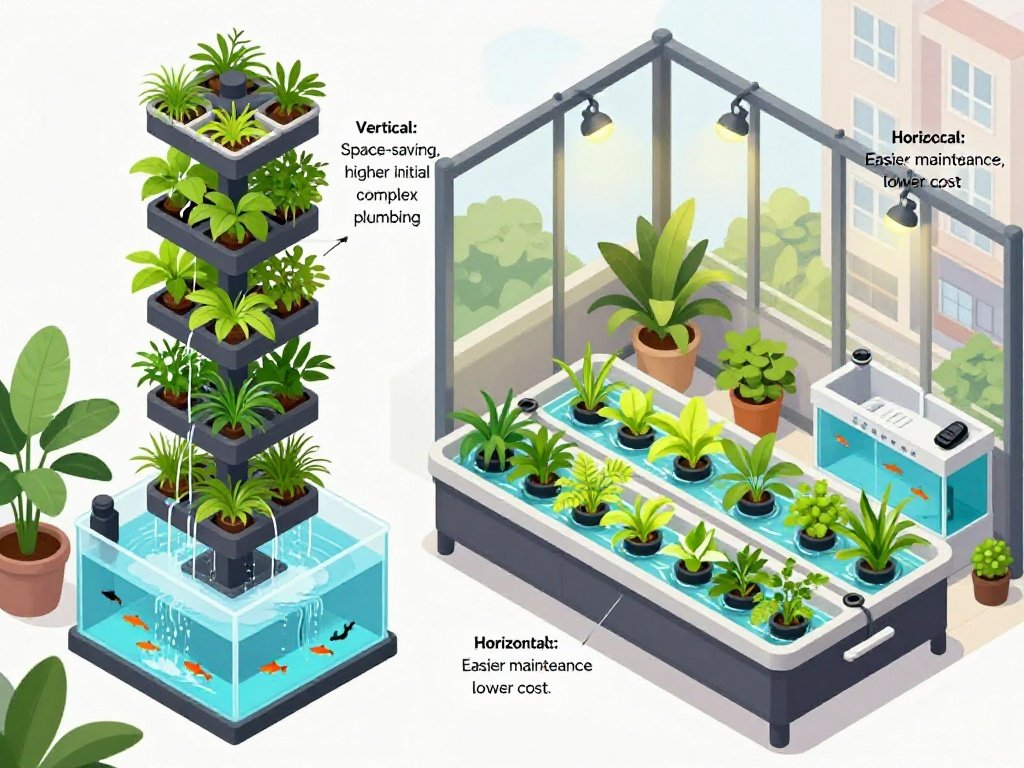
Space‑saving superpower If you’ve ever stared at a cramped apartment and wished you could still grow your own basil, hydroponics is the answer. Systems can be stacked, hung, or tucked into corners—think vertical towers that let you climb upward instead of outward. A few square feet can suddenly produce a surprising haul of lettuce, herbs, or even strawberries.
Fast‑track growth Plants in water tend to race ahead of their soil‑bound cousins. With the environment dialed in just right—light, nutrients, moisture—roots don’t have to work hard to find food, so they spend that energy on shooting up leaves
and fruit. In practice, you’ll often see harvestable greens weeks earlier than you’d expect from a dirt garden.
Freedom from seasons and geography Hydroponics lets you ignore the calendar. Want fresh tomatoes in December? No problem. Craving tropical herbs
while living up north? Just tweak the light and temperature. Because the system is closed and controllable, you can grow pretty much anything year‑round, turning your indoor space into a mini‑farm that never takes a break.
A hands‑on connection to food Building your own rig feels like a small DIY project that pays off in fresh salad greens every week. It’s satisfying to watch a seed you planted turn into something you can actually eat, and it nudges you to pay closer attention to what’s going into your meals.
Popular home‑friendly methods
Kratky Method – the “set it and forget it” approach If you love low‑maintenance gardening, the Kratky method is your friend. It’s essentially a passive system: a
container, some growing medium, nutrient solution, and your seeds. No pumps, no electricity—just water, nutrients, and gravity doing their thing. You fill a tub, leave an air gap for the roots to breathe, drop in net pots with your seedlings, and let nature take over. Leafy greens like lettuce, spinach, basil, and cilantro love
this setup. Just keep an eye on the water level and give the plants decent light, and you’ll be harvesting in a few weeks.
Deep Water Culture (DWC) – roots taking a bubble bath DWC is a step up in involvement but still pretty straightforward. Roots dangle in a constantly aerated nutrient solution, getting both food and oxygen. You’ll need a reservoir, net pots, an air pump with a stone, and (optionally) a little growing medium. After filling the reservoir with nutrient‑rich water and firing up the air pump, the roots get a steady stream of bubbles that keep them happy and growing fast. Lettuce, spinach, kale, basil, and cilantro thrive here, and with regular checks on water level, pH, and nutrient strength you can enjoy fresh picks all year.
Nutrient Film Technique (NFT) – a continuous snack bar for roots NFT flows a thin film of nutrient water over the exposed roots, kind of like a conveyer belt delivering a steady snack. You’ll need a sloped channel (PVC works well), a reservoir, a submersible pump, a timer to keep the flow steady, and a pH meter to watch the acidity. Set the channel at a slight angle, pump the solution to the top, and let it trickle back down. The constant flow means roots never sit in stagnant water, which helps avoid rot. This method shines for leafy greens, herbs like basil and mint, and even small fruiting plants such as strawberries.
Vertical Hydroponic Systems – growing upward When floor space is at a premium, going vertical makes a lot of sense. A simple frame made from PVC pipes, with
holes drilled for seedlings, lets water pump up to the top and then drain down by gravity, watering each level as it goes. Add a timer to the pump so the system waters on a schedule, keep the pH and nutrients balanced, and you’ve got a compact, high‑yield garden. Leafy greens (lettuce, spinach, kale) and herbs (basil, cilantro, mint) love the vertical treatment, especially if you pick varieties that stay compact.
Ebb and Flow (Flood and Drain) – the rhythmic soak This method mimics a tide: the grow tray gets flooded with nutrient solution on a timer, then drains back into
the reservoir, giving roots a breath of air between soaks. You’ll need a tray, a reservoir, a submersible pump, a timer, and some growing medium (clay pellets or rock wool work well). After setting the reservoir lower than the tray for easy drainage, you load the medium, plant your seedlings, and let the pump do its cycle. The alternating wet‑dry rhythm promotes strong root growth and helps prevent rot. It’s versatile enough for lettuce, herbs, and even strawberries, making it a favorite among home hydroponic tinkerers.
Bottom line
Whether you’re after a super‑low‑maintenance Kratky tub, a bubbling DWC bucket, a sleek NFT channel, a space‑saving vertical tower, or a rhythmic Ebb and Flow system, hydroponics offers a way to grow fresh, healthy produce without needing a plot of land. It’s experimental, it’s rewarding, and—best of all—it puts the joy of harvesting right at your fingertips. Give one a try, tweak it to fit your space and schedule, and watch your indoor garden flourish. Happy growing!
Leave a Reply