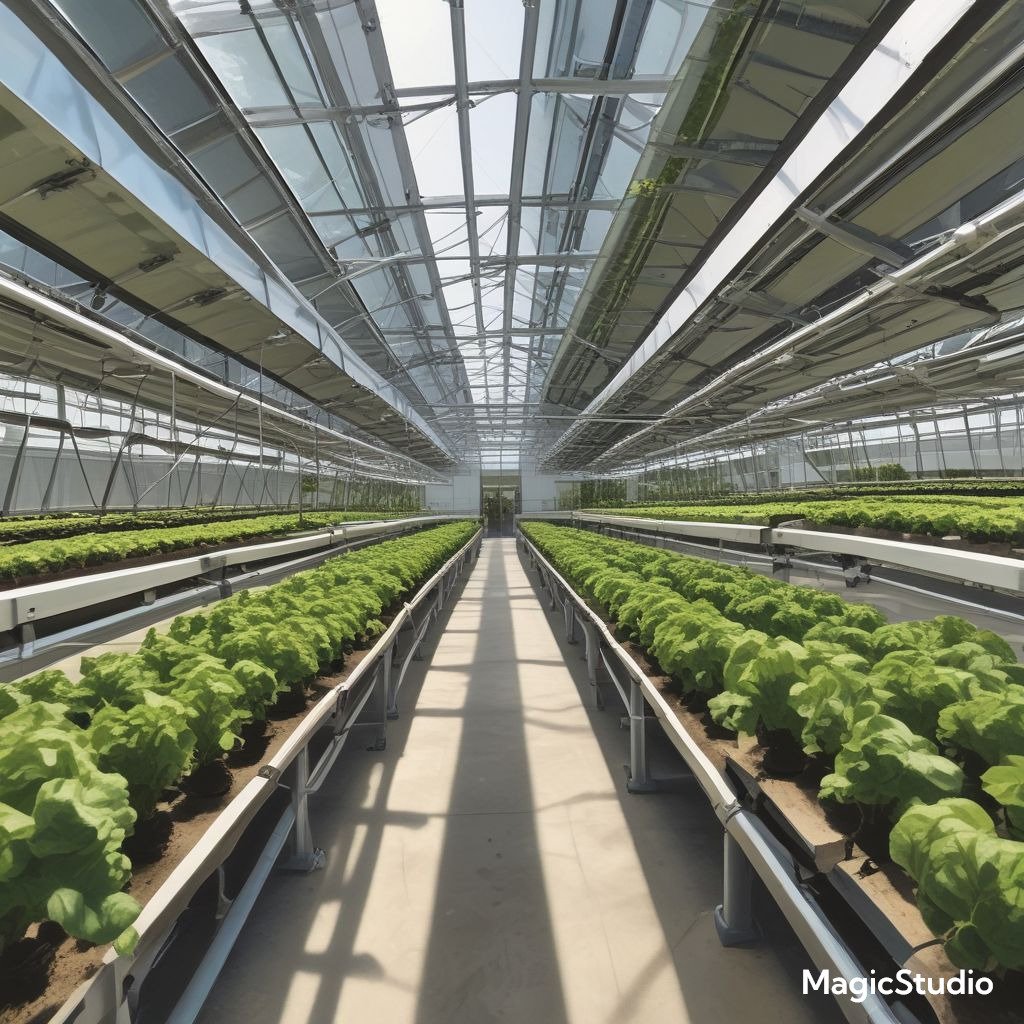
Introduction to Outdoor Hydroponics
Choosing the Right Hydroponic System for Your Greenhouse
Picking the right hydroponic system for your greenhouse can seriously make or break your crop success. You’ve got a few solid options that work well in greenhouse settings—nutrient film technique (NFT), deep water culture (DWC), and aeroponics. Getting to know the pros and cons of each helps you pick what works best for your specific setup.
NFT is a popular pick because it’s pretty efficient at delivering nutrients. In these systems, a thin film of nutrient-rich water flows over the plant roots, letting them take up what they need. You do need a stable water source, and it might not be the best for bigger, hungrier plants. But the low-cost setup and minimal water use
make it a solid choice for smaller greenhouses.
DWC works a bit differently—it suspends plant roots in a well-aerated nutrient solution. That excellent oxygenation tends to lead to fast plant growth. One thing to watch with DWC is its reliance on electricity for aeration; power outages can cause trouble. Also, bigger plants need careful management to avoid overcrowding and make sure they’re getting enough nutrients.
Aeroponics is another cool option where plant roots get misted with nutrient solution, which can drive impressive growth rates. These systems do need close attention to humidity and temperature, so they’re a bit more hands-on.
But they’re extremely efficient with water and space, letting you pack plants in tighter.
At the end of the day, your choice should hinge on things like your greenhouse space, what you’re wanting to grow, and what you hope to produce. Also think about how reliable your water supply is, how you’ll deliver nutrients, and the general climate inside your greenhouse to keep things growing strong.
Designing an Efficient Greenhouse for Hydroponics
Building a greenhouse that actually works well for hydroponics means paying attention to a few key design bits that can really affect how your plants grow and produce.
First up: orientation. You want to position the structure to catch as much sunlight as possible through the day. Ideally, that means lining it up east to west so you get good sun exposure—this matters extra for hydroponic setups since they lean less on artificial lights compared to traditional gardening.
Materials matter a lot for keeping conditions steady. Good glazing boosts light transmission while buffering against outside weather swings. Polycarbonate panels, for instance, are tough and hold heat well during cold
months—which is key for hydroponics since you need steady temps to keep plants happy.
Ventilation is another big piece. Proper airflow keeps temperature and humidity in check, which is especially important in hydroponics. You’ll want operable vents, exhaust fans, and circulation systems to prevent stale air and keep fresh air moving, creating a healthy environment for your plants.
Don’t overlook irrigation and nutrient delivery. Hydroponics hinges on getting water and nutrients to plants precisely, so solid nutrient mixing systems and drip irrigation are worth it to cut waste and encourage healthy growth. Tossing in automated monitoring can be a game-changer too—these setups track conditions, nutrient levels, and water use in real time, letting you tweak things fast when needed.
Best Practices for Maintenance and Plant Care in Outdoor Hydroponics
Keeping an outdoor hydroponic system running smoothly takes regular attention, but it’s worth it for healthy plants.
Top of the list: keep an eye on pH and nutrient levels. Hydroponics relies on a precise nutrient balance in water, and shifts can stress plants. Grab a pH testing kit or a digital meter to track things. Aim to keep pH in the sweet spot for your crops—usually between 5.5 and 6.5.
Pest control is another must-do. Bugs can wreck plant health and yield, so prevention pays off. That means routine checks for infestations and using biological helpers like beneficial insects or companion planting. Keep
things clean—sanitize tools, clear out dead plant matter—to lower pest risks. Save chemical pesticides for last resorts and use them carefully so you don’t wreck the hydroponic balance.
Crop rotation matters even without soil. While hydroponics skips dirt, rotating what you grow still helps dodge pathogen and pest buildup. Swapping plant types each cycle can boost nutrient availability and encourage diversity, making for a healthier grow space.
Lastly, get comfy with troubleshooting. Nutrient gaps, water quality hiccups, or plant diseases can pop up out of nowhere. Jotting down notes on plant health and environmental conditions helps you spot issues early. A preventative mindset—fixing small problems before they blow up—lets your outdoor hydroponics thrive sustainably, setting you up for a solid gardening run.
Leave a Reply