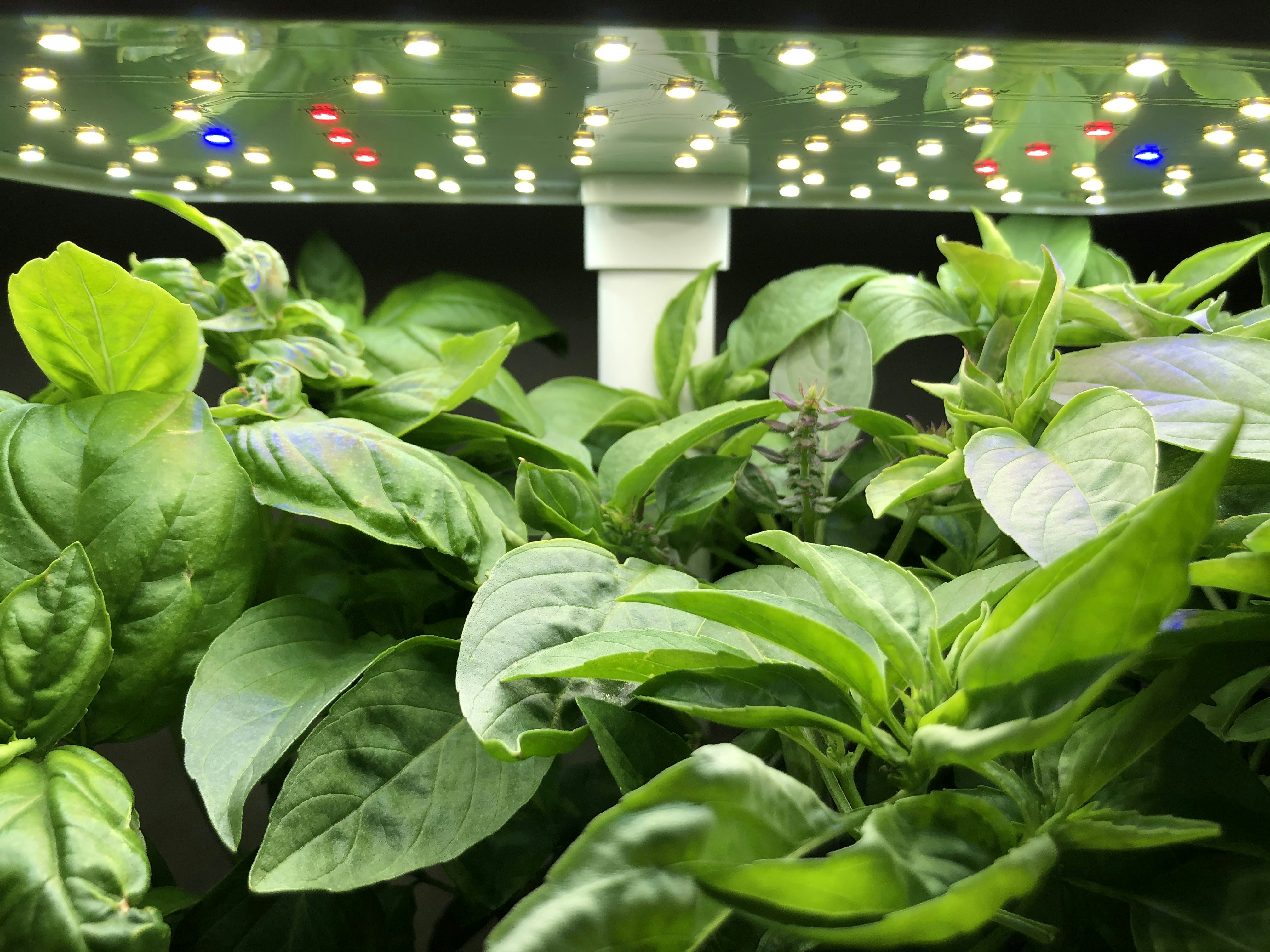
Let’s Talk Light: Why It Matters More Than You Think
If you’ve ever tried growing plants without sunlight (hey, we’ve all been there—basement grows, apartment closets, that one sad windowsill), you know light isn’t just about brightness. In hydroponics, it’s the whole show. No sun? No problem—but you do need to fake photosynthesis pretty convincingly. That’s where your grow lights come in: they’re not just bulbs; they’re the engine turning electricity into plant food. Pick the wrong one, and you’re either wasting cash or strangling your yield. Get it right, and suddenly your basil’s thriving while your wallet breathes easier. The Usual Suspects: LEDs, Fluorescents, and HIDs Most hydroponic folks end up comparing three main contenders: – LEDs (the sleek, efficient newcomers) – Fluorescents (the old-school, budget-friendly workhorses) – HIDs (the bright, power-hungry veterans—think metal halide or high-pressure sodium) Each has its own personality, pros, and quirks. It’s less about which is “best” and more about which fits your grow room, your plants, and your tolerance for electric bills. What It Actually Costs You Let’s get real about money—because sticker shock is real. Upfront: – LEDs hit hardest here: $200–$1,200 for a decent unit. Yeah, it stings at first. – Fluorescents are the gentle intro: $20–$300. Perfect if you’re testing the waters with herbs or lettuce. – HIDs land in the middle: $100–$500, but remember—you’ll likely need extra gear (ballasts, reflectors, maybe a fan to fight the heat). Month-to-month: This is where LEDs often pull ahead. They sip electricity—about half what HIDs guzzle. Picture this: a 300-wet LED might run you ~$7.50/month, while an equivalent HID could be closer to $15. Fluorescents sit somewhere in between (better than HID, not quite LED-level). And longevity? LEDs laugh at replacements—50,000 hours is common. Fluorescents tap out around 10,000 hours; HIDs aren’t much better at 15,000. Over time, those savings on bulbs and power really stack up. How They Actually Perform (Beyond the Watts) It’s not just about how bright they look to your eyes. Plants care about usable light—specifically, the wavelengths that drive photosynthesis (we call this PAR, or Photosynthetically Active Radiation). – LEDs are the precision tools: high light output per watt, and you can often tweak the spectrum to match your plant’s growth stage (more blue for veg, more red for flower). Efficient? Absolutely. – Fluorescents give you soft, even light—great for seedlings or leafy greens where you don’t want to scorch tender shoots. They’re not inefficient, just… less focused with their energy. – HIDs are the brute-force option: intense light that punches deep into canopies (hence their popularity with flowering tomatoes or peppers). But that intensity comes with a heat tax—you’ll likely need ventilation or AC to keep things from cooking. So… What Should You Use? Honestly? It depends on your setup and goals. – Just starting out or growing herbs/lettuce? Fluorescents won’t break the bank and do the job fine. No need to over-engineer it. – Chasing big yields on fruiting plants (peppers, cucumbers, etc.)? LEDs are worth the upfront cost—they’ll save you money over time and give you spectral control. Plus, less heat means less hassle. – Running a big commercial flower operation? HIDs still have their place if you can handle the energy draw and heat output. For sheer punch-per-dollar in large spaces, they can still compete—if you’ve got the cooling to match. The Bottom Line There’s no universal “winner”—just the right tool for your specific grow. Think about: – What you’re growing (leafy vs. fruiting) – Your space size and ventilation – How much you want to fiddle with spectrum vs. set-it-and-forget-it – Your tolerance for electric bills vs. upfront spend Pick the light that matches your rhythm, not just the specs on the box. Your plants (and your future self) will thank you. Hope that feels more like a chat and less like a manual! Let me know if you’d like to dive deeper into any of these—maybe spectrum tips for specific crops or how to calculate your actual ROI. 😊
Leave a Reply